
Mother’s Day reads for May

As we approach Mother’s Day, it’s a good time to consider the stories that shape how we understand motherhood — especially those too often overlooked.
For more than a century, Black writers — from Harriet Jacobs’ “Incidents in the Life of a Slave Girl” to Tina Knowles’ “Matriarch: A Memoir” — have explored the depth, complexity and contradictions of motherhood with intimacy and range.
From memoir to fiction to cultural critique, these books offer portraits that move beyond stereotype and into something more human.
Here are four more essential reads that explore Black motherhood in all its forms.
Motherhood as resistance
“Black. Single. Mother.: Real Life Tales of Longing and Belonging” by Jamilah Lemieux
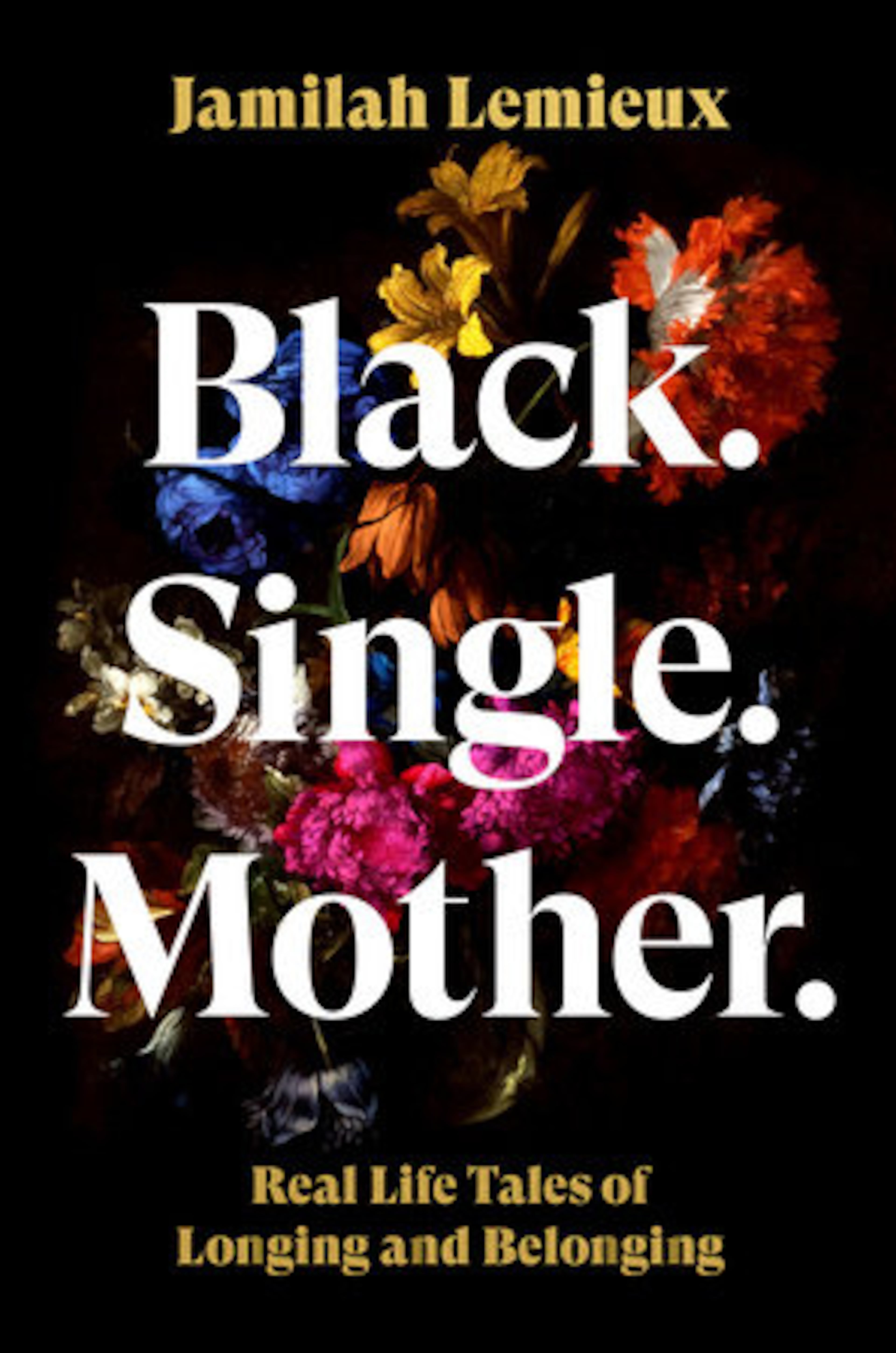
Part memoir, part anthology, Jamilah Lemieux’s new “Black. Single. Mother.: Real Life Tales of Longing and Belonging” pushes back against the damaging stereotypes of “baby mamas” as objects of pity, judgment and shame.
Telling the story of raising her now-teenage daughter largely on her own, Lemieux offers a portrait of Black single motherhood rooted in dignity, complexity, love and survival.
A veteran journalist and cultural critic, Lemieux writes with urgency and disarming honesty about the weight she inherited as a second-generation single mother.
In an interview with the AJC’s Brooke Leigh Howard, Lemieux said she wrote the book “to give Black single mothers their flowers” — and to push readers to reconsider their value.
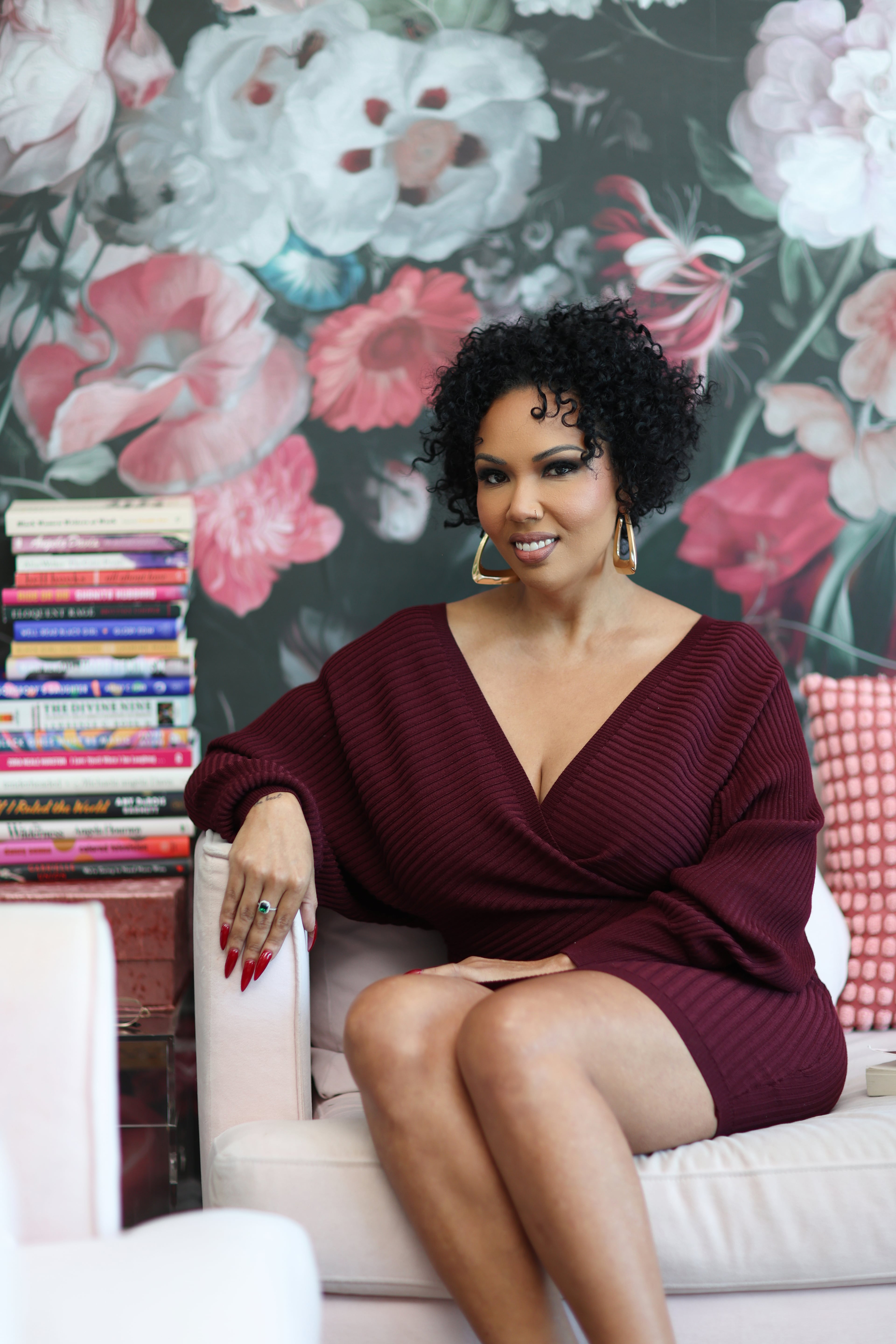
As a child, Lemieux measured her family against a narrow idea of what was “complete,” quietly judging her mother and yearning for something different. Years later, facing an unplanned pregnancy, she found herself on the very path she once feared — forced to confront the realities of Black single motherhood while claiming her own sense of worth in a culture quick to diminish it.
She also introduces 21 Black single mothers across different ages, regions and economic backgrounds, revealing a wide spectrum of lives shaped by devotion, ambition, struggle, joy and community.
“No nonfiction book from a major U.S. publisher has addressed this important group in a meaningful way,” Lemieux said. “I want readers to walk away committed to supporting Black single mothers and affording us the respect we deserve.”
Motherhood as trauma:
“Beloved” by Toni Morrison
In “Beloved,” Toni Morrison renders motherhood under impossible conditions, where love is both a source of strength and a site of unbearable tension.
Through Sethe, a formerly enslaved woman, she explores what it means to mother in a world that denies Black women the right to fully claim their children — or themselves.
Sethe’s devotion is fierce, yet it collides with the brutal realities of slavery, which tears families apart and makes attachment dangerous.
Morrison vividly writes how motherhood is shaped, distorted and even weaponized by violence, culminating in Sethe killing her child rather than see her enslaved — a moment that forces a reckoning with the limits of maternal love.
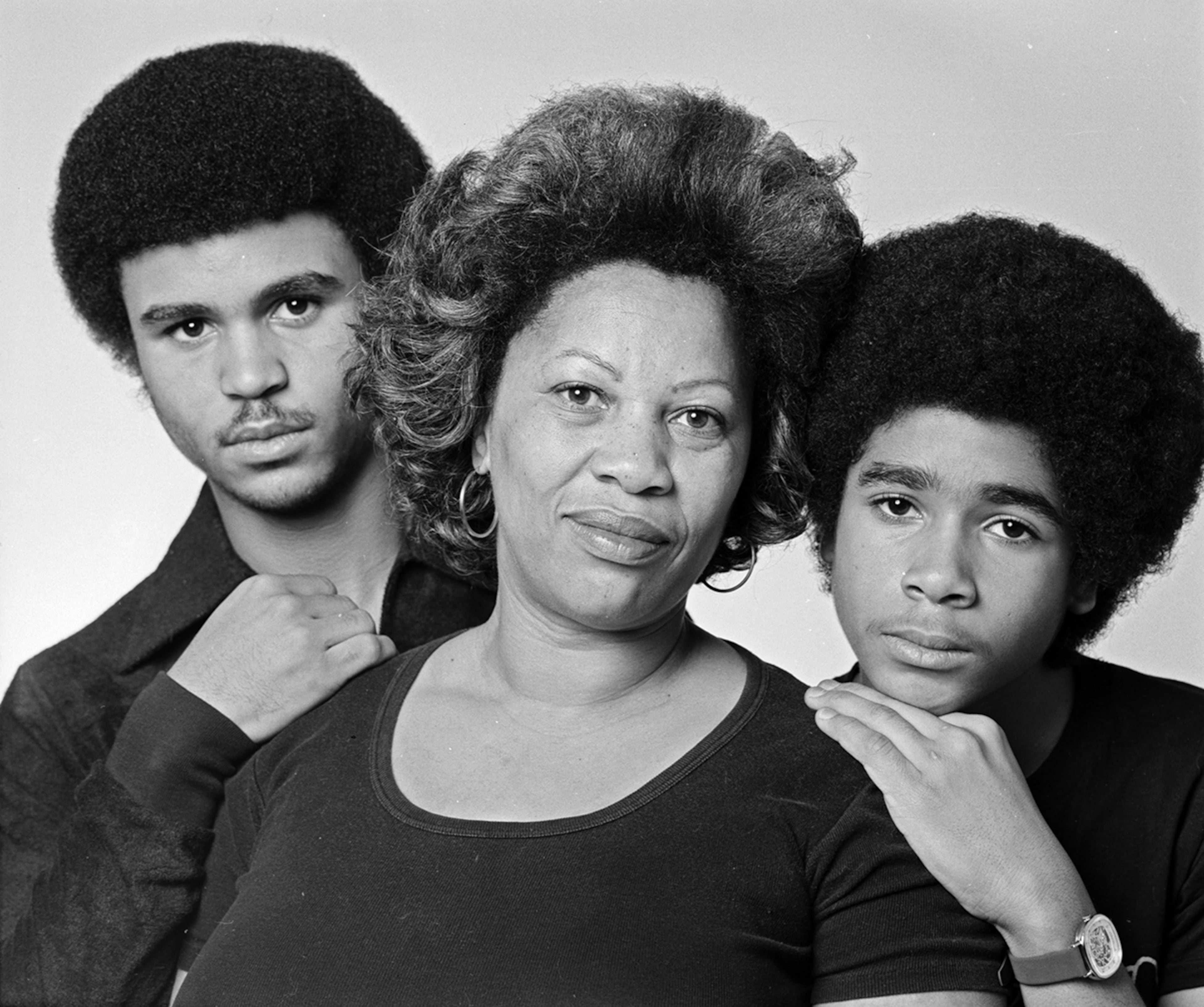
In “Beloved,” motherhood becomes control, protection and survival in a system designed to strip all three away.
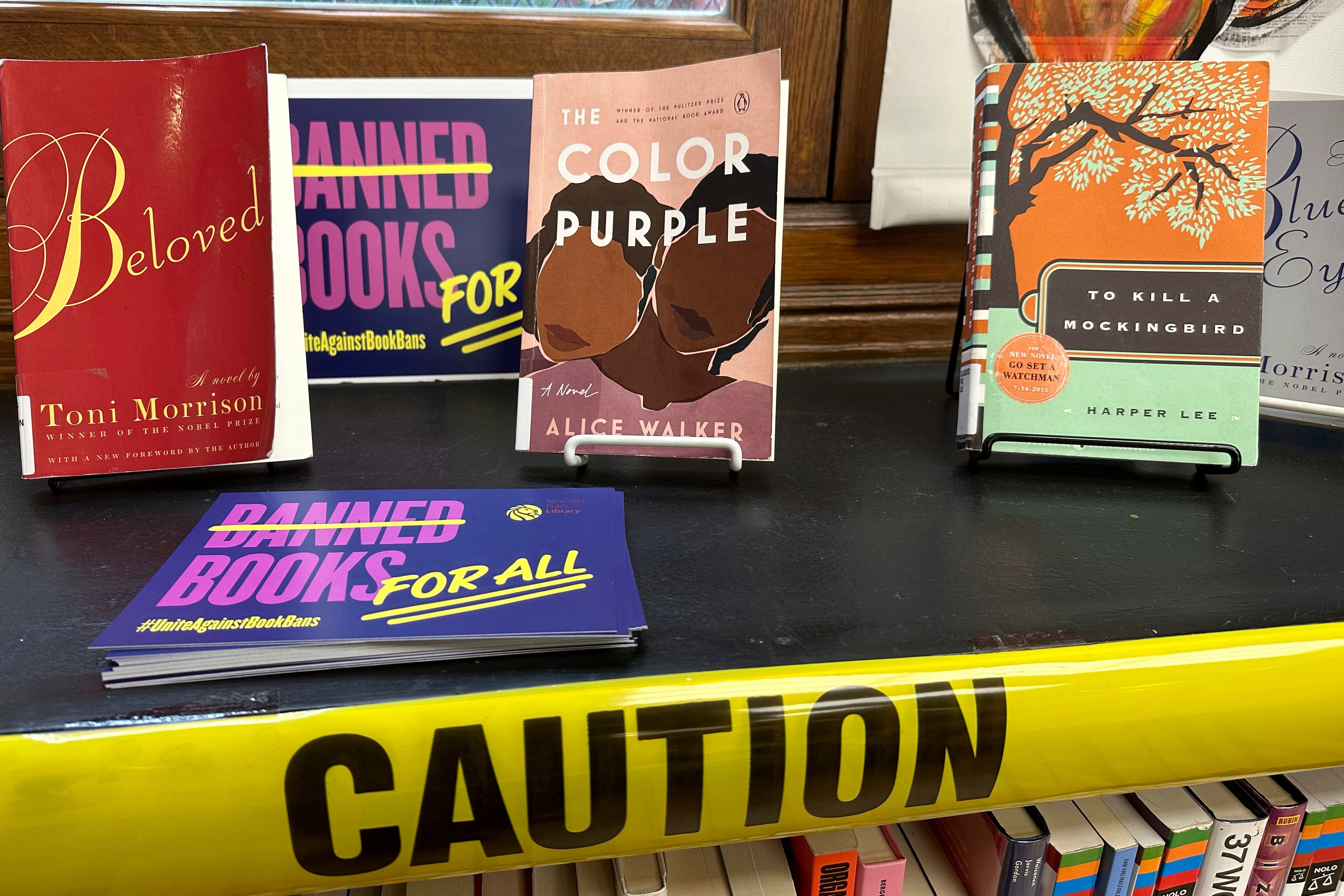
The novel, which won the 1988 Pulitzer Prize for Fiction and continues to face political scrutiny and book bans, asks whether it is possible to be a “good” mother in a world that makes such a role nearly impossible — and what it costs a woman to try.
Motherhood as inheritance:
“Brown Girl Dreaming” by Jacqueline Woodson
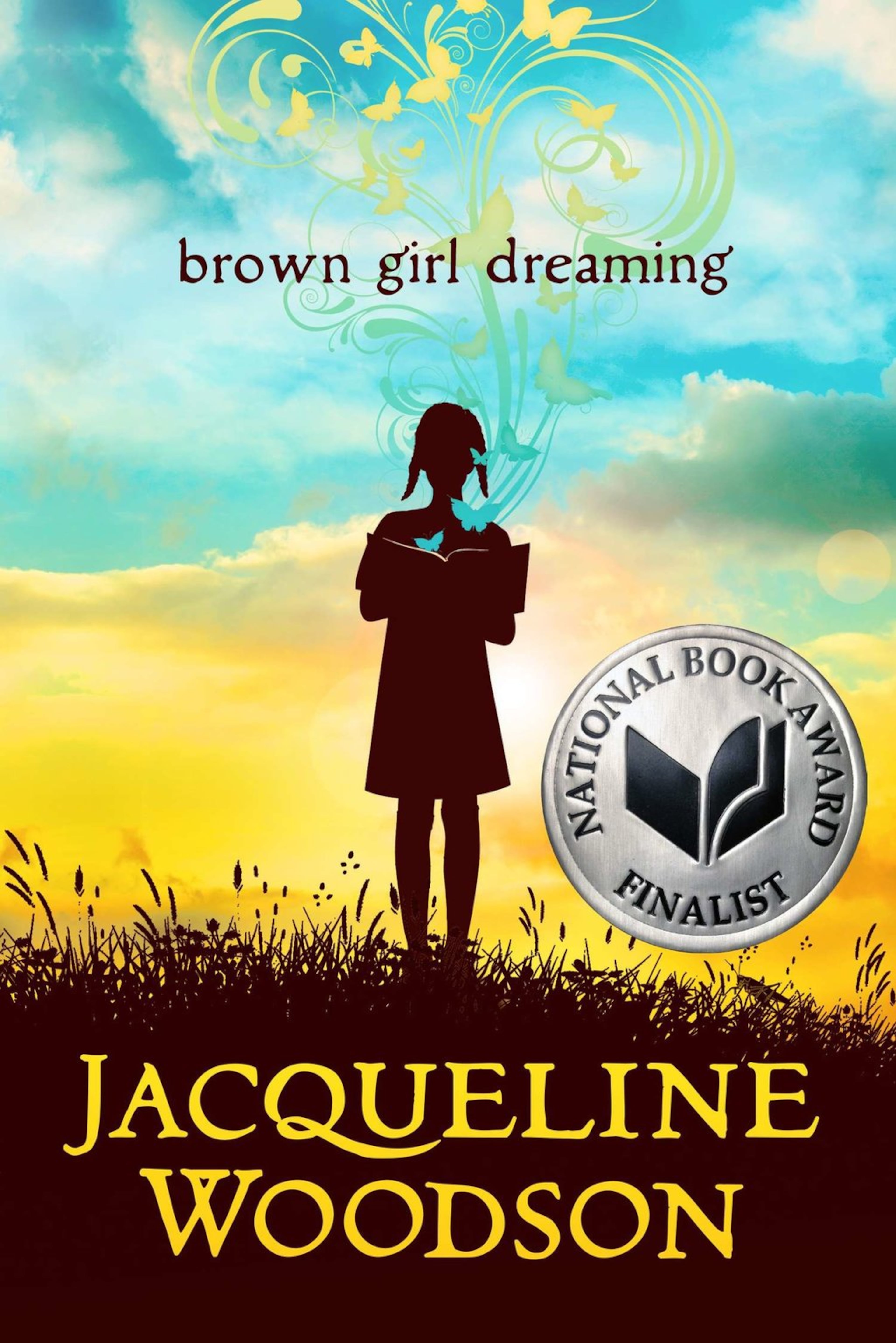
“Brown Girl Dreaming,” Jacqueline Woodson’s memoir for young readers, traces the quiet influence of motherhood through memory, migration and identity.
Told in spare verse, the book captures a childhood shaped by her mother’s steady guidance — rooted in discipline, dignity, the insistence that her children understand their worth and the reminder that they are “as good as anybody,” even in a segregated and shifting America.
Woodson’s mother is both anchor and architect, holding her family together through separation, relocation and loss.
At the same time, Woodson widens the memoir to include grandmothers, aunts and community, showing that motherhood is often collective, layered and deeply tied to community, passing down language, belief systems and a sense of belonging.
At its heart, “Brown Girl Dreaming” presents motherhood as a force that nurtures, protects and ultimately helps a young girl find her voice.
In Woodson’s hands, the act of mothering becomes inseparable from the act of becoming.
Motherhood in the spotlight:
“Becoming” by Michelle Obama
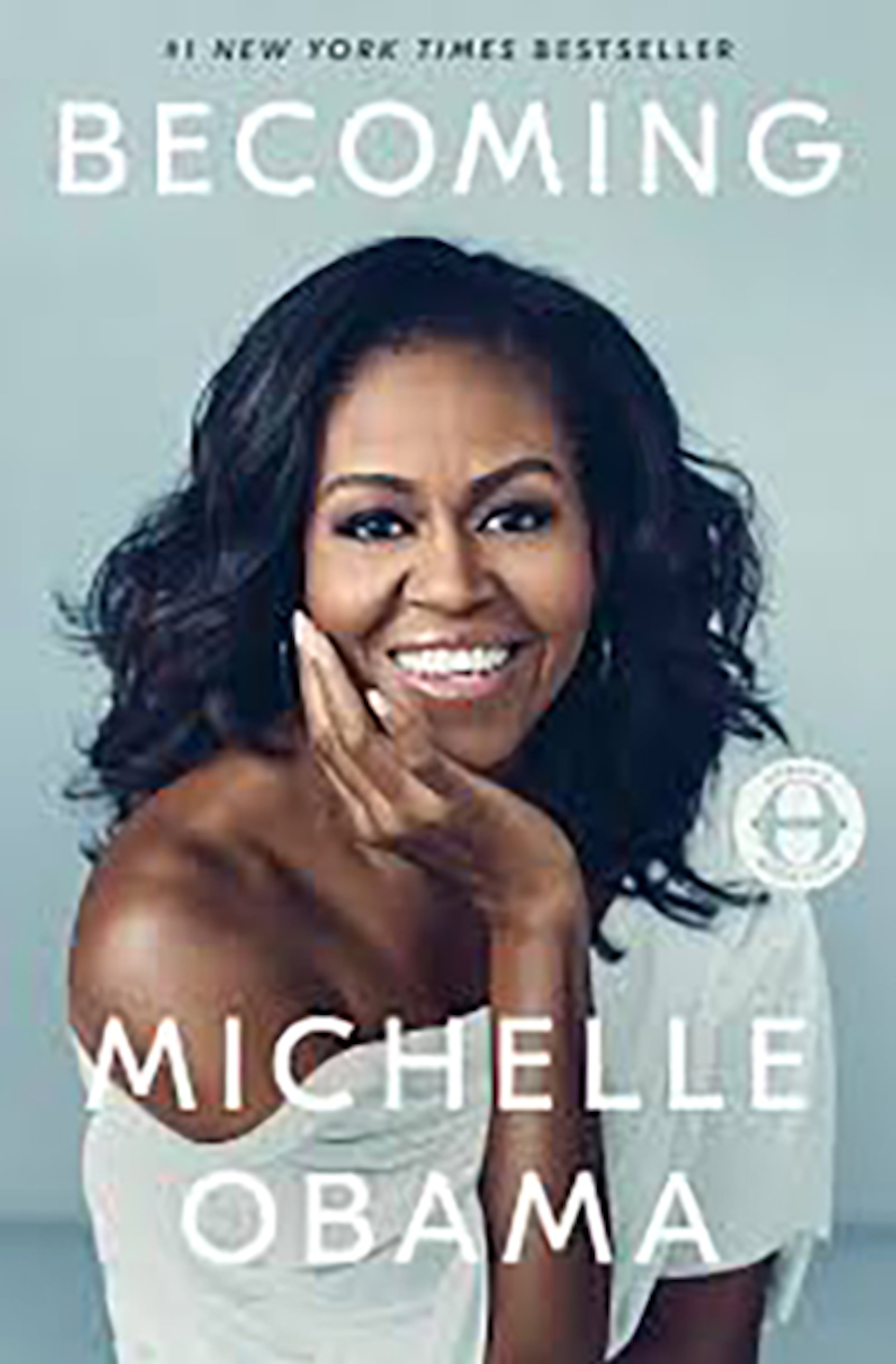
Speaking of becoming, in “Becoming,” former first lady Michelle Obama offers intimate, deeply familiar reflections on motherhood, framing it as both a personal journey and a constant negotiation.
She writes candidly about infertility, miscarriage and in vitro fertilization, pulling back the curtain on experiences often left unspoken — especially for Black women — and grounding her story in vulnerability as much as strength.
As she raised Malia and Sasha in the glare of the White House, motherhood became her anchor and compass, shaping how she navigated marriage, career and public life. Obama described herself as “mom-in-chief,” a role that guided her decisions even at the height of political power as she worked to protect her daughters’ sense of normalcy.
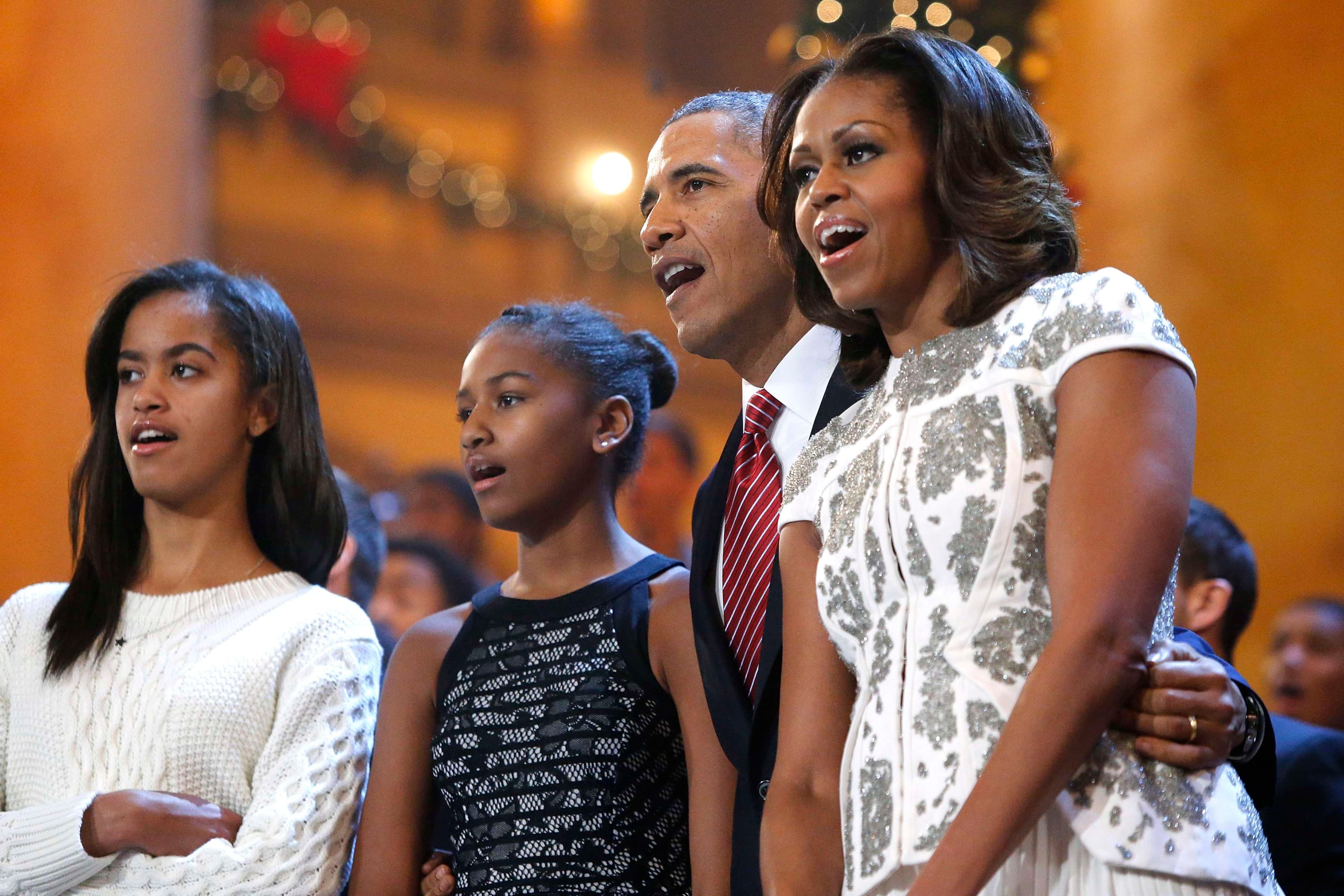
She also presents motherhood as fluid and evolving, growing alongside her daughters while confronting doubt, adjusting expectations and learning when to hold on and when to let go.
In “Becoming,” and across these books, motherhood emerges as an extension of self-making — where love, discipline and uncertainty coexist and where Black women carve out their own ways of nurturing a family while becoming themselves.
About the Author
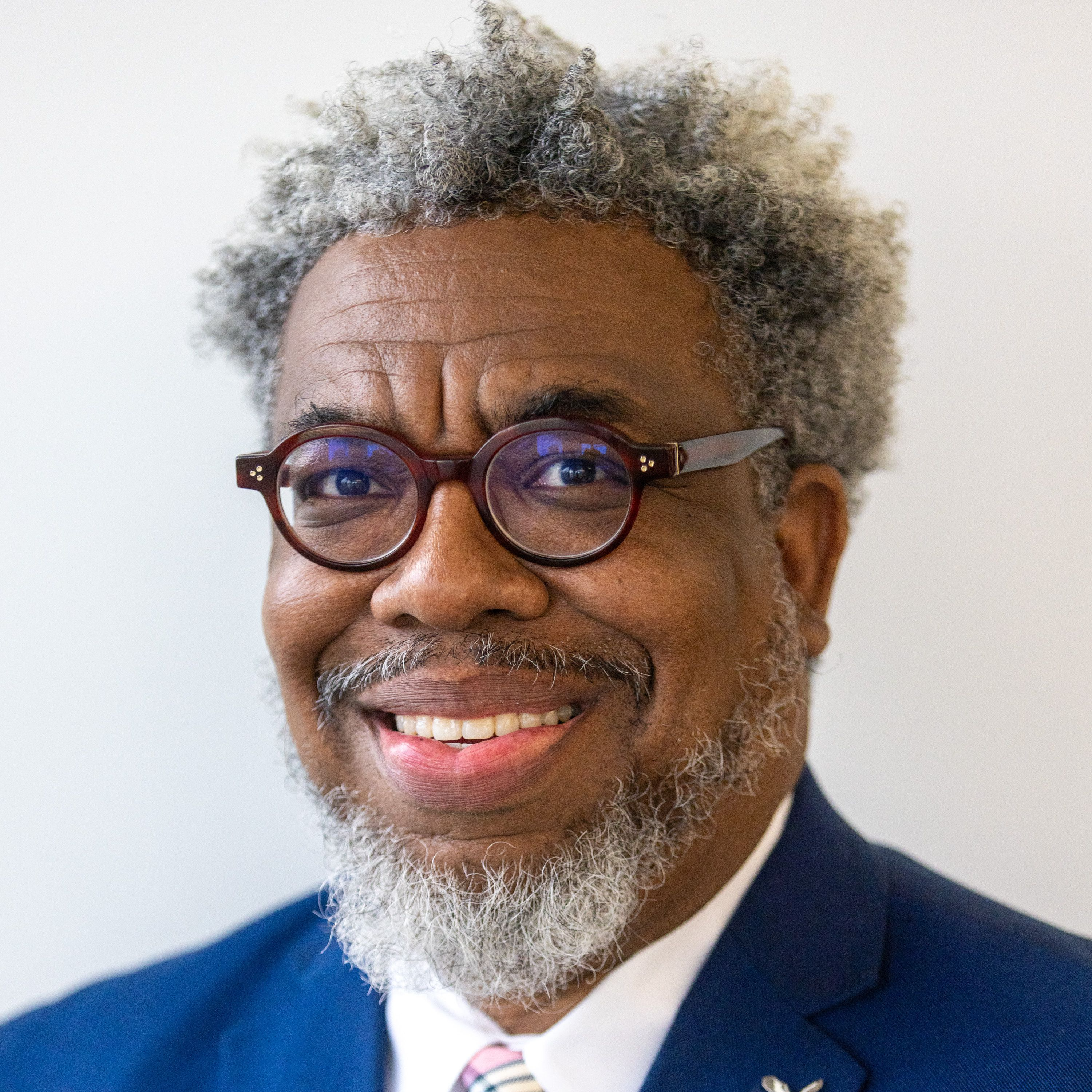
Ernie Suggs is an enterprise reporter covering race and culture for the AJC since 1997. A 1990 graduate of N.C. Central University and a 2009 Harvard University Nieman Fellow, he is also the former vice president of the National Association of Black Journalists. His obsession with Prince, Spike Lee movies, Hamilton and the New York Yankees is odd.