
Amy Sherald comes home
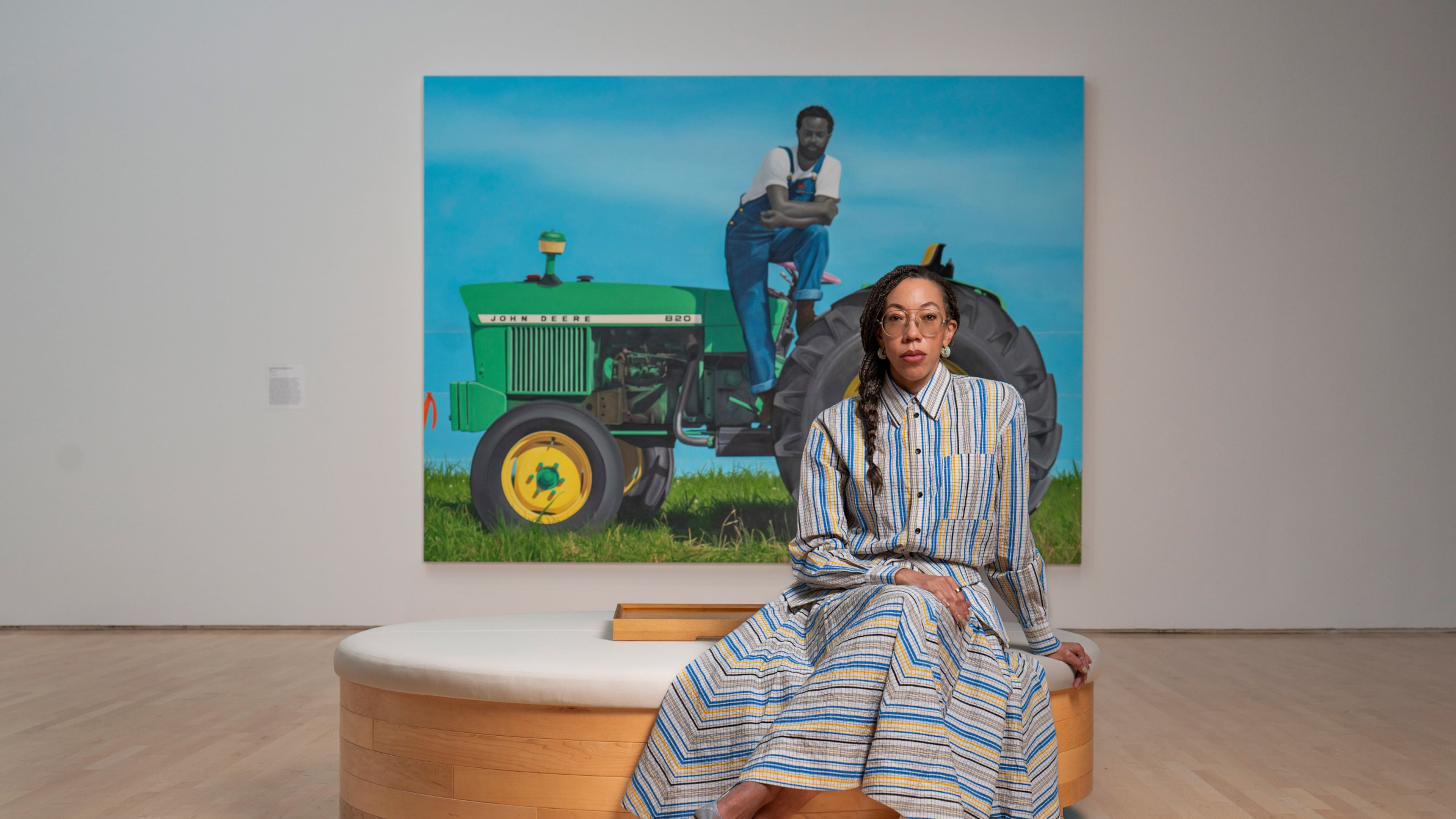
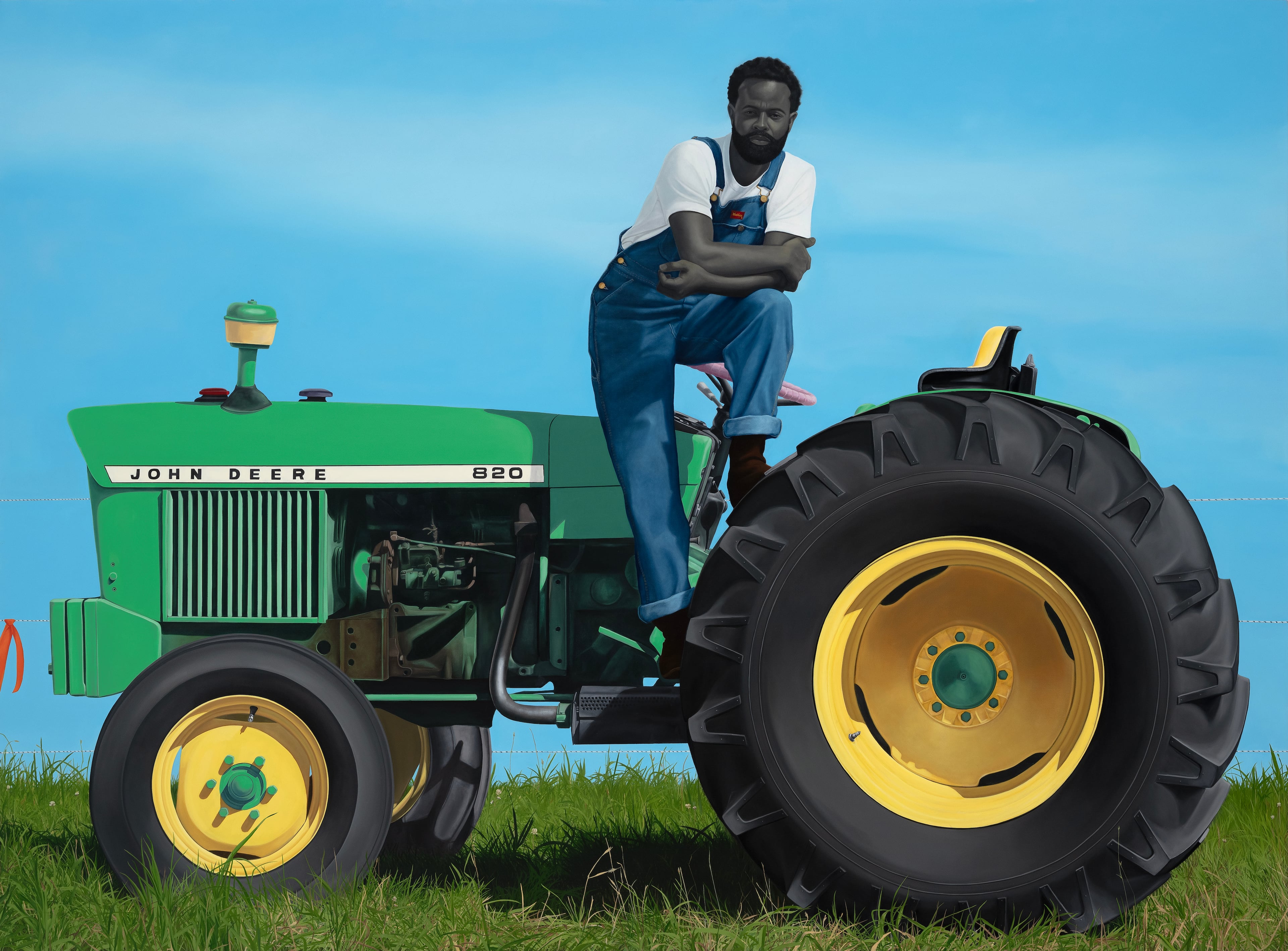
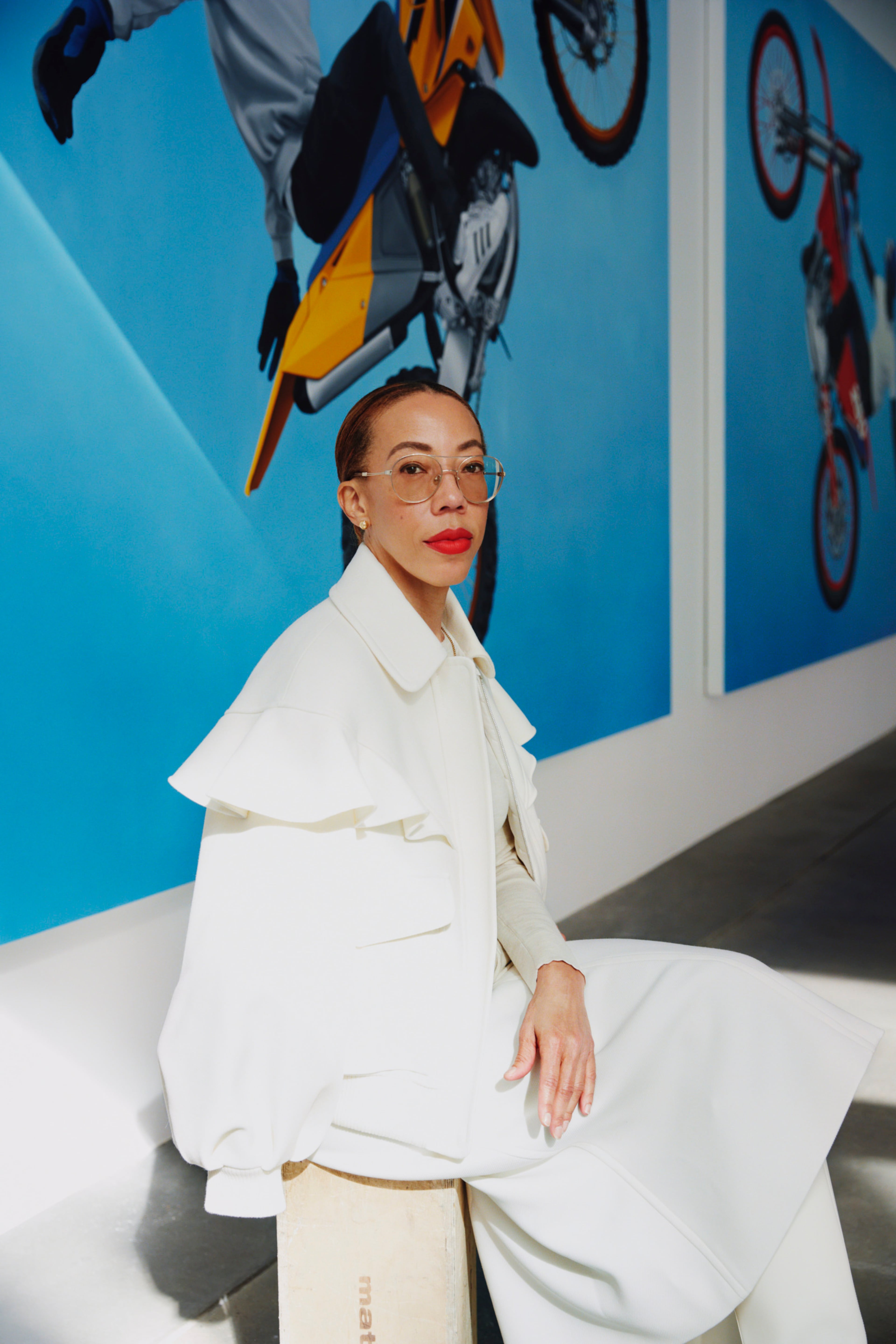
For painter Amy Sherald, the final stop of the national tour for “American Sublime,” the largest presentation of her work, feels a bit like a homecoming. The exhibition arrives at Atlanta’s High Museum of Art this month.
A native of Columbus and a graduate of Clark Atlanta University, Sherald — who rose to fame after painting former first lady Michelle Obama’s official portrait — brings her work back to the region that helped inspire her visual storytelling.
“It feels good (to be back home),” she said. “It feels perfect. It feels right on time. It feels like this is the work that needs to be in this state right now,” she said. “It feels full circle.”
“American Sublime,” a collection of Sherald’s iconic paintings on linen, has been on tour throughout the U.S., from San Francisco to New York and Baltimore.
The record-breaking exhibition has been lauded for its impact on bringing visitors to art museums.
Sherald strode into the High Museum offices wearing a gray sweatsuit and luxury Alaïa ballet flats, with her team in tow.
She said the shoes were versatile and helped her dress up her more casual outfits.
Ahead of the exhibition’s opening on Friday, Sherald sat down with The Atlanta Journal-Constitution.
In a candid conversation, Sherald discussed her journey into the professional art world, the pressure to pursue a more conventional career path and how art helped shape her sense of identity and purpose.
(The interview was edited for brevity and clarity.)
What was your journey into the art world?
Sherald: I had a few different moments, like the first one was in the second grade. I would always just stay in the classroom and draw (during recess). It was something that I think is innately a part of who I am. I don’t feel like I chose this destiny; I feel like it chose me. Either I could have stayed true to the path or not.
Then going to college and doing what my parents wanted me to do, which is be pre-med. This man was on campus selling prints on the Avenue at Clark at that time, and he told me, “If you don’t use your talent, you’ll lose your talent.” And that scared me enough to change my major.
The third moment was coming out of grad school with a whole lot of debt and ... just choosing to say, “Eff it ... I’m just gonna not pay back my school loans, and I’m gonna try to be an artist.”
How does Columbus show up in your artwork?
Sherald: Growing up in the South — being born in 1973, post-Civil Rights Movement, there’s a lot of residual racism. I realized once I got back (to Columbus after grad school) and I’ve been living there for a year, there are parts to me that were strictly formed out of having to assimilate.
Of the early aspects of the work where you see the circus theme and the props and things like that, it’s almost like a diary. Parts of those pieces are autobiographical.
How is your Blackness worn differently in various regions of the United States?
Sherald: It depends on the day — whether we’re women, whether we’re Black women, whether I’m an artist, whether I’m a Black artist, whether I’m American, Black American. It all depends on how my physical presence needs to be employed in whatever situation.
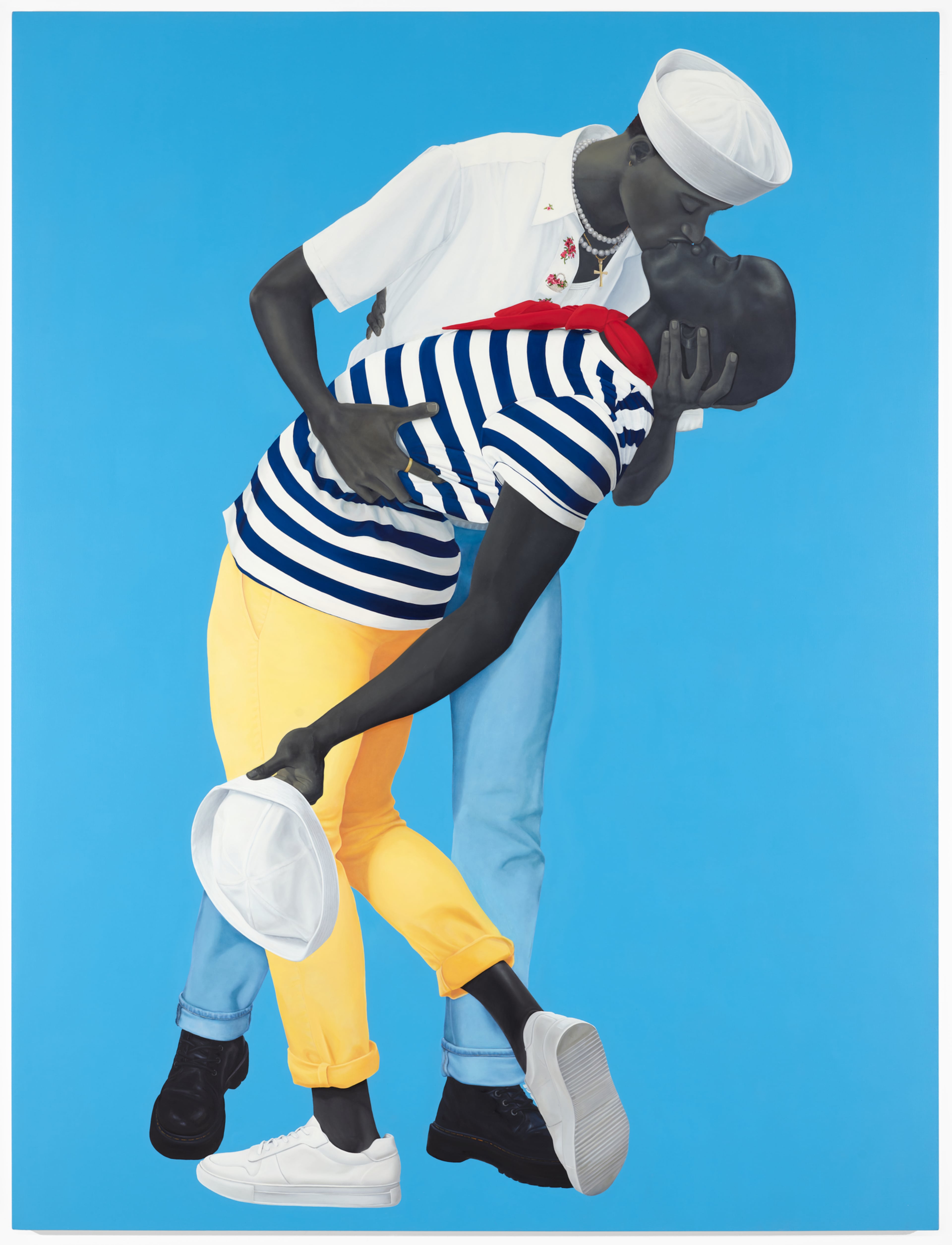
There’s a different kind of awareness growing up in the South. There’s prejudices everywhere you go, but there’s things that feel — for me — more apparent (in Georgia) than I feel anywhere else.
How do you merge the duality of being Black and American into your work?
Sherald: Taking the American flag and owning it. Growing up in the South, I never associated the American flag with myself. It was associated with people that didn’t like me, for the most part. So taking ownership of that narrative, taking ownership of my Americanness in the story and my history within this country — our ancestors’ history within this country — it was really important to me.
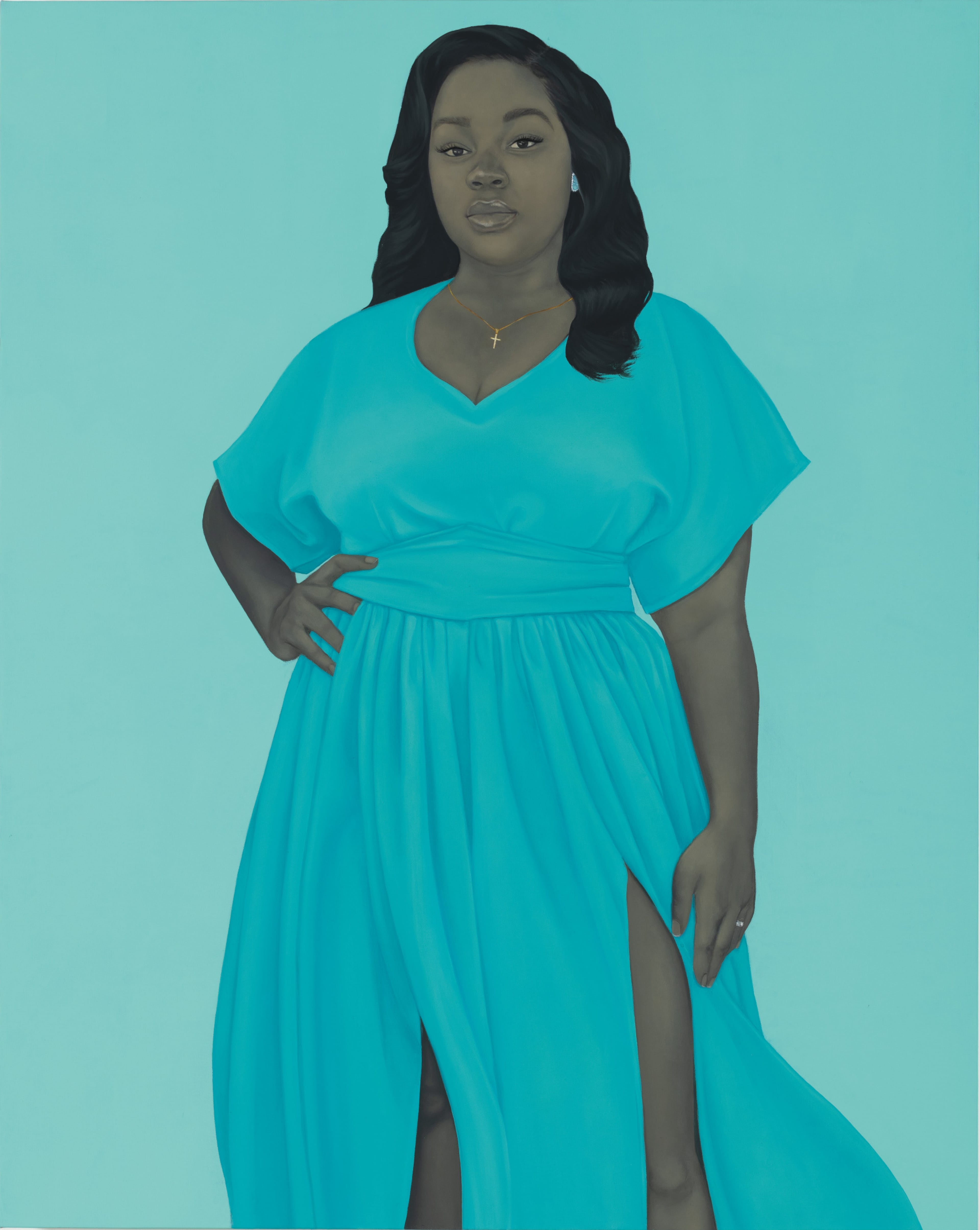
How do you honor your ancestral legacy in your artwork?
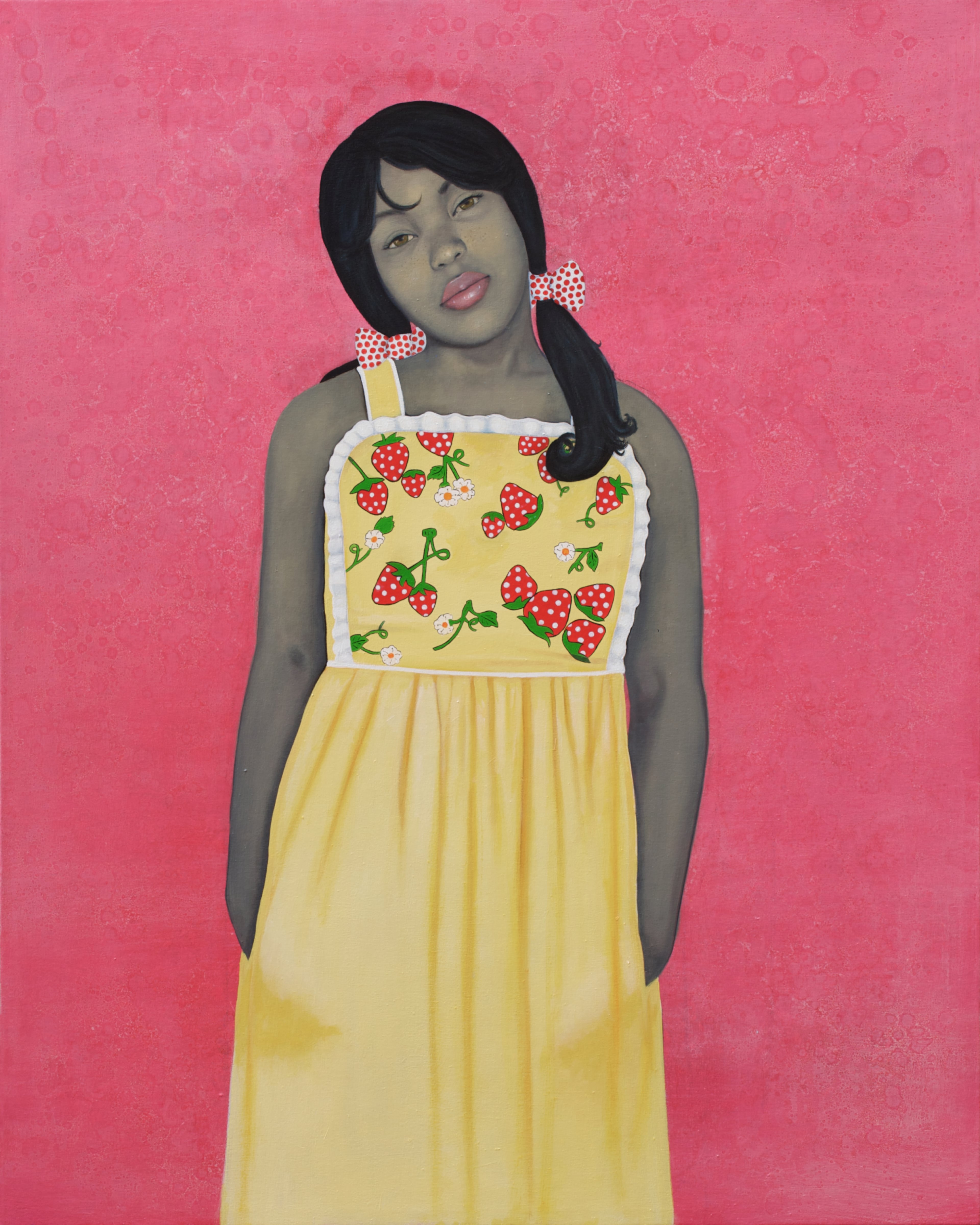
Sherald: My work is inspired by photography. Having those photographs that my mom kept in our family room to look at as a kid, growing up, somehow found its way into my work. It wasn’t planned, but I realized that a lot of the memories that I have, a lot of the subconscious things that are making their way into my work, are from seeing those family photographs.
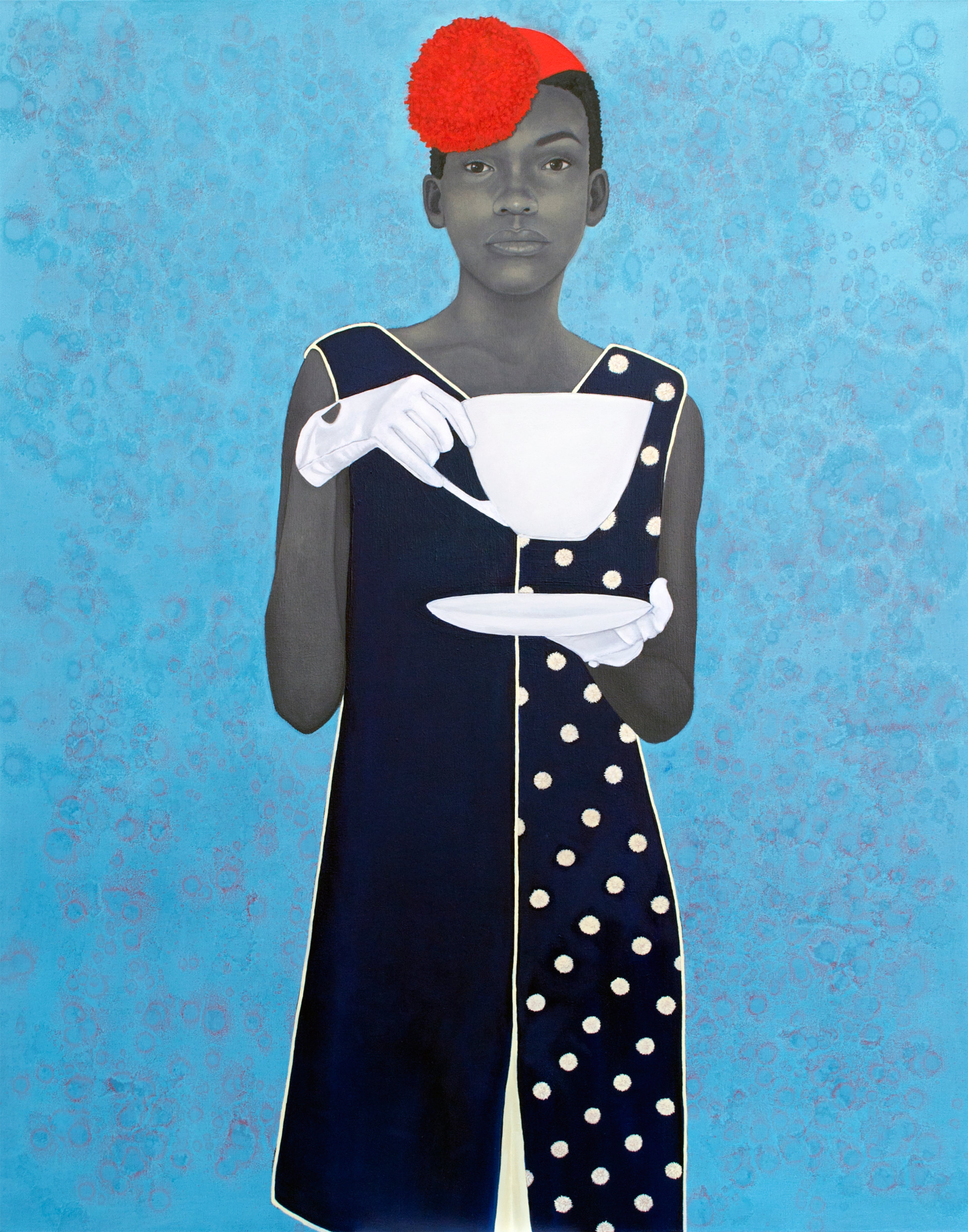
The way that (my family) presented themselves is with grace and dignity, and that’s something that I carried with me. And I think my paintings became a meditation on photography through just having those photographs in my life.
What role do Black American artists currently play in visual storytelling?
Sherald: We’re having to think about the absence of ourselves in a narrative (of life), but also be innovative and create work in the present about the present, but then also think about the future … and what needs to be represented because it never was.
My body holds many histories. So, it’s going to make its way into the work without me trying, and the awareness comes after it’s done.
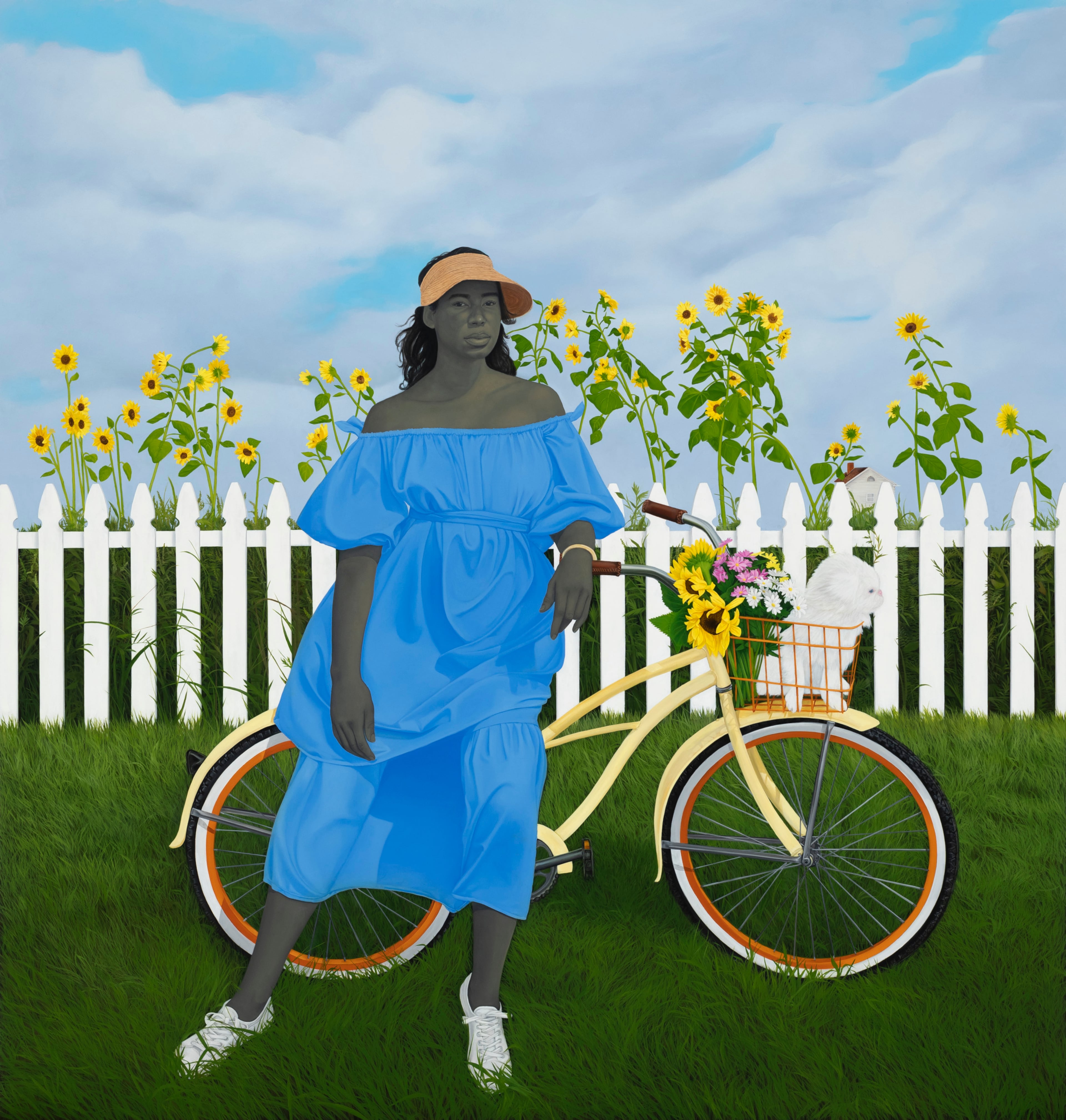
What advice do you have for aspiring Black creatives who may be hesitant to take a full plunge into their artistic professions?
Sherald: You have to do what’s right for you. You can listen to people that love you, that want you to be safe — but you also have to understand, my mom was born in 1935. There’s perspective that she still can’t offer me on my life right now. There’s ways that I’ve given her perspective and things that she would never even have considered. So, you have to listen to yourself.
I was making a lot of bad art for a long time. You make a lot of bad art; you make a lot of good art. And part of it’s just like not quitting because if you keep working at something, it’s going to work out. Energy is movement. Believe in that. Believe that your thoughts become things and stay focused on that.
IF YOU GO
Amy Sherald: American Sublime
10 a.m. — 4 p.m. (Timed tickets required). May 15 through Sept. 27. The High Museum of Art. 1280 Peachtree St. NE. Atlanta. 404-733-4400. high.org
About the Author

Brooke Leigh Howard is a reporter for The Atlanta Journal-Constitution's Black culture team, UATL.