
Season 1 of ‘A Different World’ wasn’t great, but I loved it anyway.
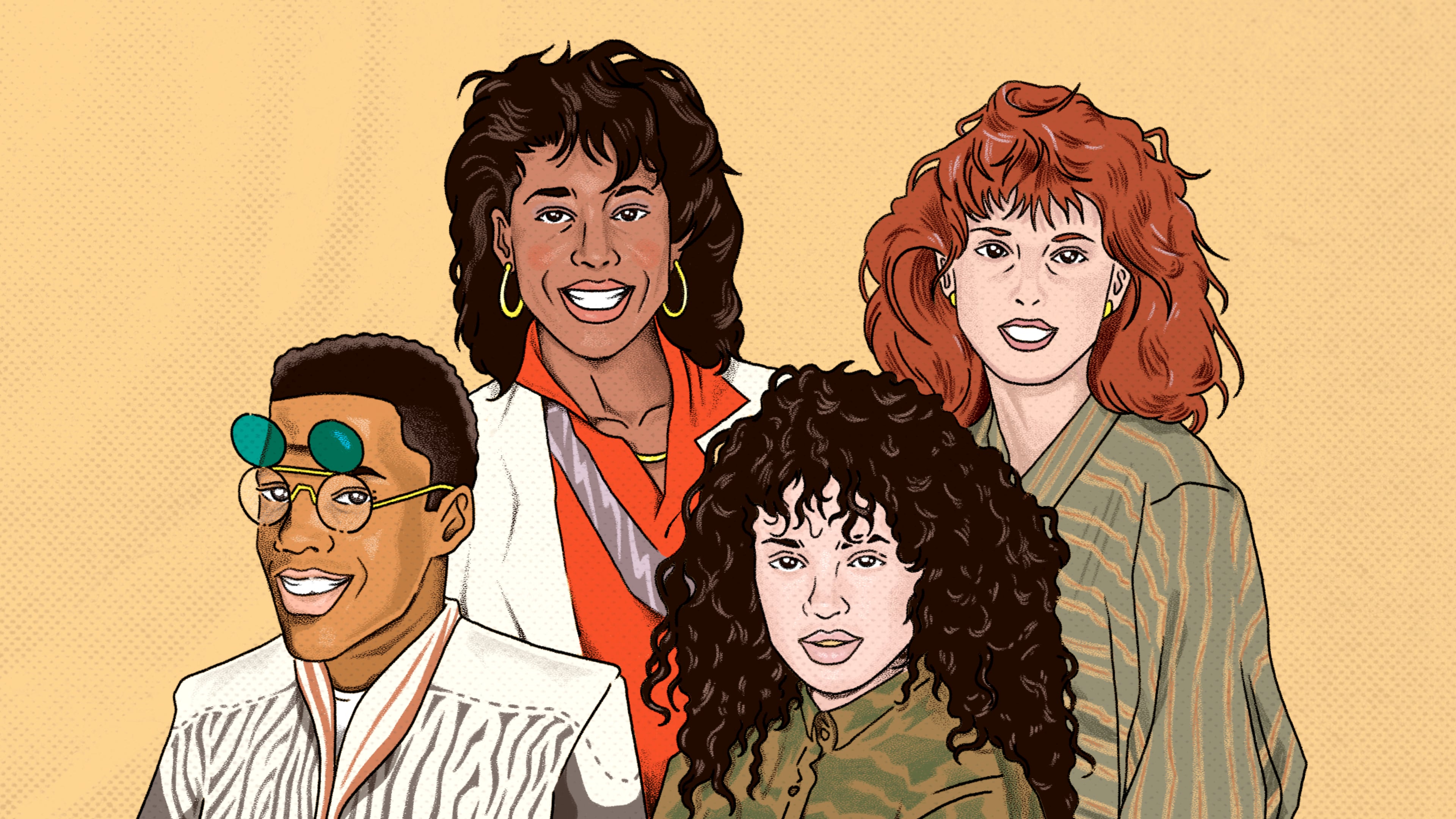
There is a neat and generally accepted history of “A Different World.”
Season 1 wasn’t very good.
Then Debbie Allen showed up for Season 2.
And “A Different World” became “A Different World.”
There is plenty of anecdotal and cultural evidence to support that version of the story, including this week’s Netflix premiere of the series reboot.
The critics didn’t particularly like the first season. The producers weren’t satisfied with it. People who worked on the show later acknowledged that something wasn’t quite right.
And even the biggest “A Different World” fans today tend to skip over Season 1 when celebrating the show.
But that isn’t exactly how I remember it.
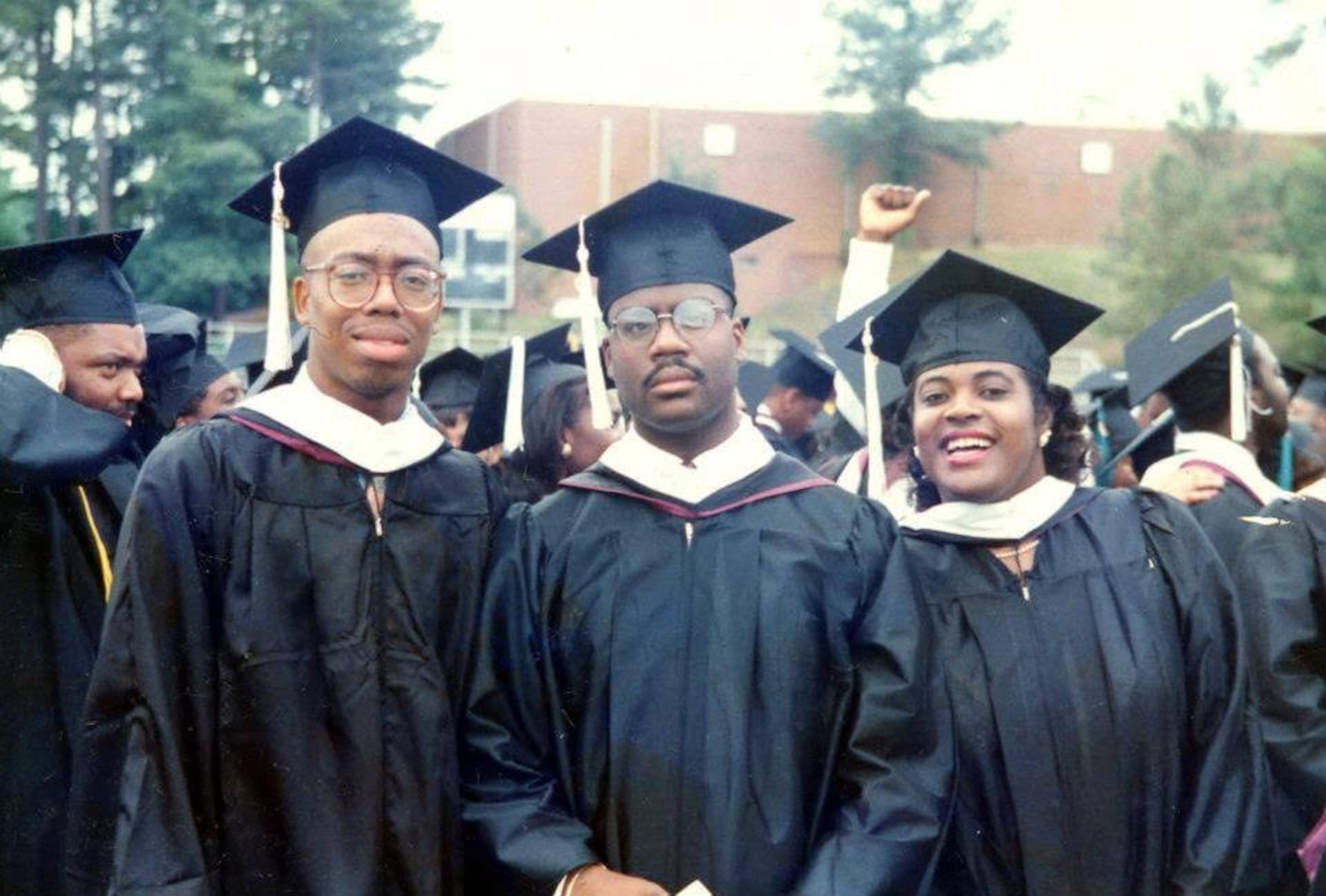
When “A Different World” premiered on Sept. 24, 1987, I was already a junior at North Carolina Central University, an HBCU in Durham.
I had arrived at NCCU in 1985, so I didn’t need Denise Huxtable or Hillman College to introduce me to the HBCU experience.
I was living it.
And I liked Season 1.
That is something worth remembering when looking back at a television series whose overall legacy is more closely tied to what it eventually became, rather than how it started.
“A Different World” arrived as a spinoff of the biggest television show in America, “The Cosby Show.”
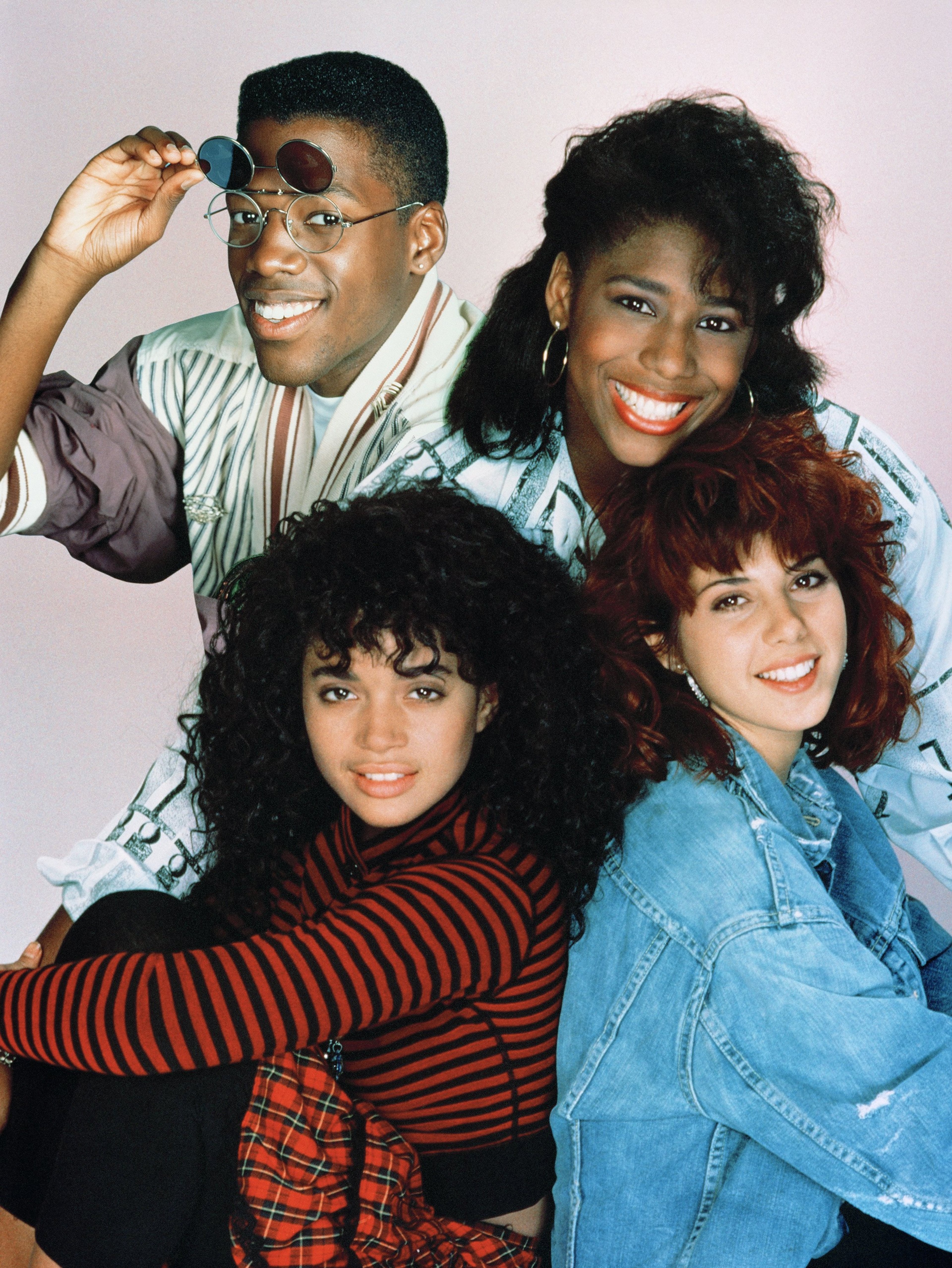
Denise Huxtable, played by Lisa Bonet, left the comfortable Brooklyn home of Heathcliff and Clair Huxtable for Hillman College, the fictional Virginia HBCU her parents had attended.
The original premise centered on Denise and her roommates: 26-year-old divorcee Jaleesa Vinson, played by Dawnn Lewis, and Maggie Lauten, played by a young, pre-Oscar Marisa Tomei.
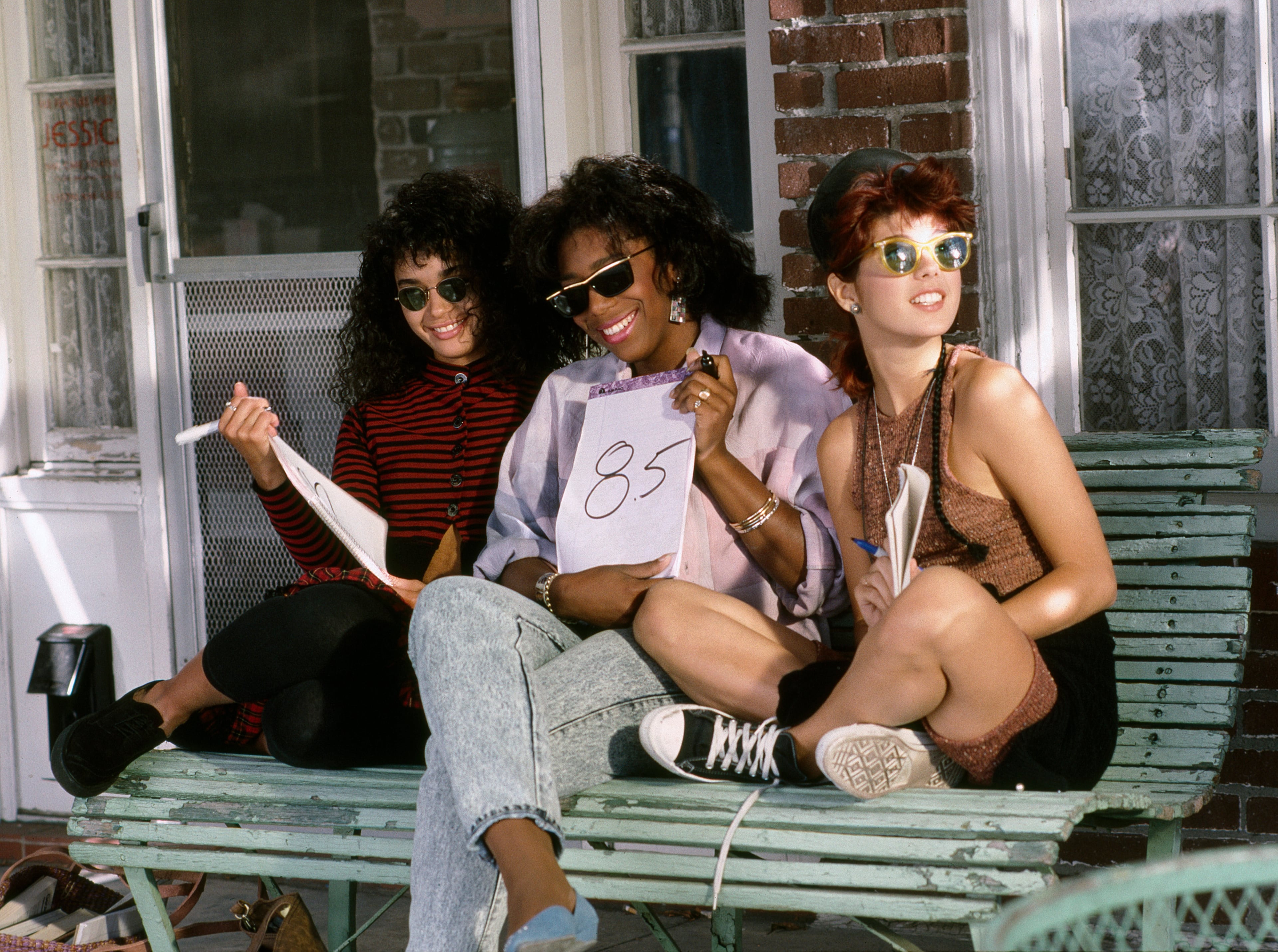
Around them emerged characters who would eventually become much more important than anyone could have anticipated: Kadeem Hardison’s Dwayne Wayne and Jasmine Guy’s Whitley Gilbert.
Despite its shortcomings, the show was an immediate hit, and by the end of that first season, it was the No. 2 television show in America, behind only “The Cosby Show.”
The critics, however, saw problems the ratings didn’t reveal.
Tom Shales of The Washington Post called the show “bland and unfunny,” while Clifford Terry of the Chicago Tribune questioned whether Bonet was compelling enough to carry it.
Collectively, critics saw a show that seemed uncertain about what it wanted to be. Denise, my favorite Huxtable, had worked as an eccentric supporting character within the Huxtable family. But as the center of her own show, critics found her sleepy and subdued, particularly alongside a supporting cast they considered more interesting.
Hillman didn’t really feel like an HBCU
There was also a more fundamental problem.
While Hillman’s backstory as an HBCU had already been established on “The Cosby Show,” the first season seemed reluctant to lean completely into the specificity of Black college life.
You could see that in the prominence of Maggie and other white students at Hillman. Maggie was actually great, but the show never questioned why this white girl from Minnesota was at an HBCU, or why random white students were always hanging out and dancing in The Pit.
It was part of the first season’s identity problem.
But watching television in 1987 was different from analyzing television nearly 40 years later.
There was no Netflix. No YouTube. No endless queue of shows across various streaming services competing for our attention, most of which we’ll probably never get around to watching.
For most of us, television essentially meant three networks: ABC, CBS and NBC. And despite the enormous success of “The Cosby Show,” there still weren’t many places on television where you could regularly see Black people, particularly young Black people, at the center of their own stories.
So when “A Different World” came on NBC every Thursday night, right after “The Cosby Show,” here was a network television show built around Black college students.
Seeing Hillman from NCCU
For me, sitting in my dorm room in Chidley Hall, I recognized it.
Hillman was on television.
Every Thursday night.
That mattered.
There were dorm rooms and roommates. There were classes. There were professors. There were young Black people trying to figure out relationships and money and school and themselves. They were smart and corny, sophisticated and awkward, privileged and struggling.
And they were in college.
Like me.
That last part shouldn’t be underestimated.
At NCCU, I didn’t need Hillman to perfectly replicate my college experience. I could fill in the blanks myself.
Chidley Hall could be Gilbert Hall. I could be Dwayne Wayne. The pretty girls who ignored me freshman year could be Whitley Gilbert. The people walking across Hillman’s campus could be the same people I saw every day walking across NCCU’s verdant greens and sloping hills.
And I imagine students at other HBCUs could do the same thing.
Hillman didn’t have to be our school.
It could be all of our schools.
That was the affinity we all had for “A Different World.” Even when the details weren’t quite right, the experience was familiar enough for us to claim it, because we were watching versions of ourselves.
That gets lost when Season 1 is judged only against the much better television that followed it.
The first season was lighter. It spent a lot of time on clothes, dates and relatively small problems, like wearing pig snouts, bouncing checks and taking care of eggs.
I think the most controversial moment of Season 1 came when Dwayne overstayed curfew in Gilbert Hall, snuck into a sleeping Whitley’s room and got caught climbing out the fire escape.
That was about as dangerous as Hillman got.
In other words, Season 1 lacked the depth and relevance necessary to portray HBCU life accurately.
Hillman grows up
And then came Debbie Allen, a graduate of Howard University, as the show’s producer.
For those of us already attending HBCUs, Season 1 gave us enough to fill in the blanks. Allen’s great achievement was that, beginning in Season 2, we didn’t have to.
She immediately recognized that the show needed to change, but her assessment of Season 1 wasn’t entirely dismissive.
She called the first season “a beginning,” but thought the show and its characters were too immature and naive for college students.
The “A Different World” that people remember today was largely born in Season 2.
The cast changed.
Denise was gone. So was Maggie. And so was sweet Millie, who, in the Hillman-as-NCCU world I had created for myself, definitely could have been one of the girls who did not ignore me.
But that was like college, too.
I can’t tell you how many people I met my freshman year at NCCU who simply weren’t there when I came back the next fall. Some I still remember. Some I’ve forgotten. People transferred. People dropped out. People went home. And new people arrived who would have a much bigger impact on my life.
Hillman was no different.
Denise, Maggie, Millie and Stevie left, but Freddie Brooks and Kim Reese arrived. So did Colonel Taylor, Lettie Bostic and Mr. Gaines.
Whitley, Dwayne and Jaleesa remained.
And life at Hillman continued.
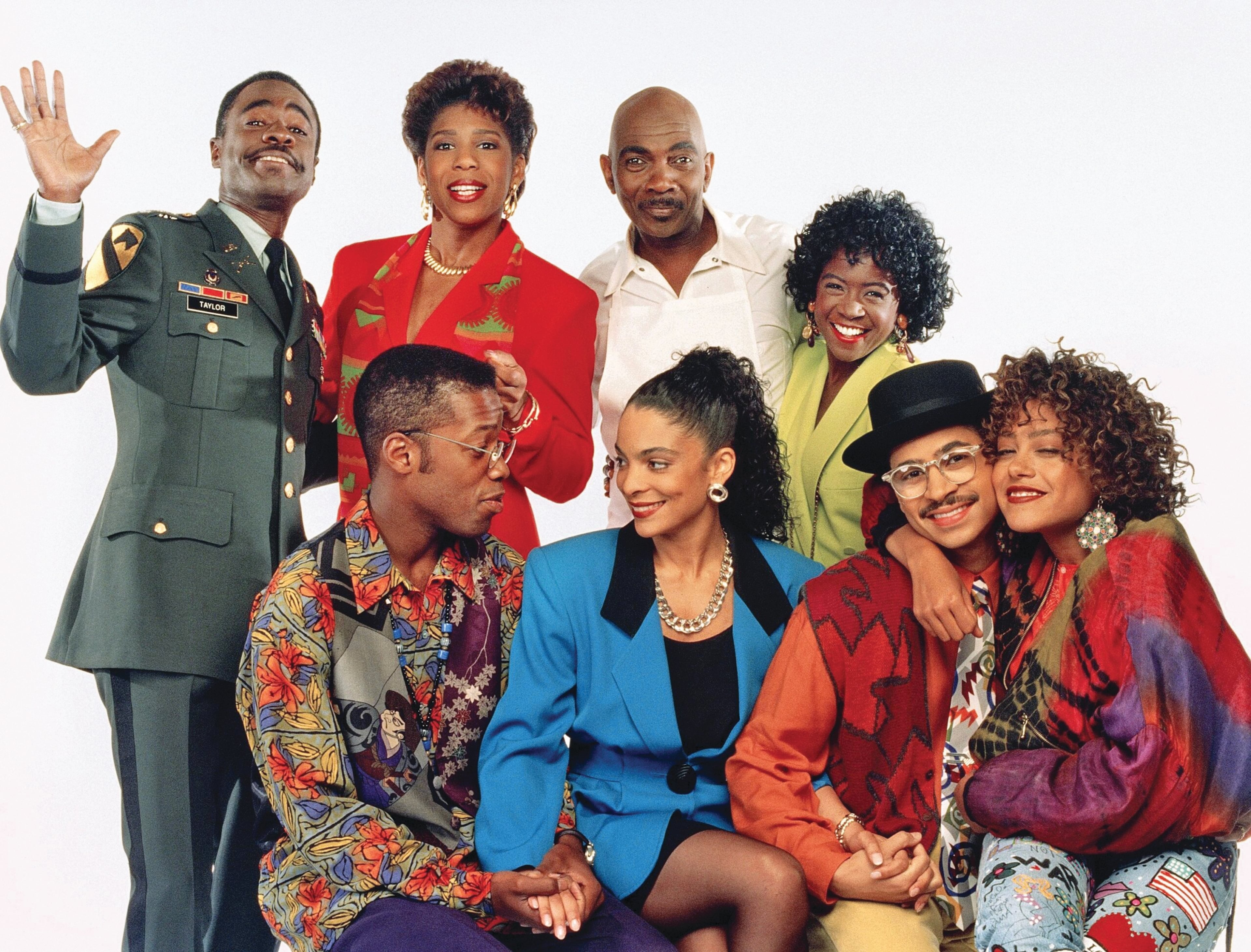
That made Hillman feel even more like a real college. The campus had become bigger than the people who introduced us to it, just as NCCU had become bigger than the people I met when I arrived in 1985.
Denise was no longer the center of Hillman’s universe.
Hillman stopped feeling like the place where Denise Huxtable happened to attend college and started feeling like a community that would continue whether a Huxtable was there or not.
And as Hillman grew, so did the stories it could tell.
Students crammed for finals, worried about grades and money, felt homesick and lonely, dealt with pregnancy and thought about the world outside campus.
It also became Blacker, not merely in the racial composition of its cast, but in its confidence about the world it was portraying.
Eventually, the show was willing to talk about racism, colorism, rape, AIDS, war and politics. But it also had room for the pageantry of the Black college experience like football games, Greek life and just hanging out.
Jesse Jackson could show up. Gladys Knight could show up. Lena Horne could show up. Diahann Carroll and Patti LaBelle could be somebody’s mama. Tupac could be somebody’s old boyfriend.
Hillman had become a place where Black students could argue about the world while also falling in love, breaking up, failing classes, finding careers and slowly becoming adults.
And Dwayne and Whitley, two supporting characters orbiting Denise during Season 1, ultimately became the emotional center of the series, and the reason we have the reboot today.
What the critics missed
So yes, Season 2 was better.
Much better.
But we don’t have to pretend Season 1 meant nothing.
Maybe those of us who were actually Black college students in 1987 were watching the show differently from the television critics.
They were asking whether Lisa Bonet could carry a sitcom.
I was watching Whitley.
They were wondering whether Hillman was convincing.
I was comparing it to my campus.
They were judging plots and character development.
I was seeing Black college students occupying one of the most valuable half-hours on American television.
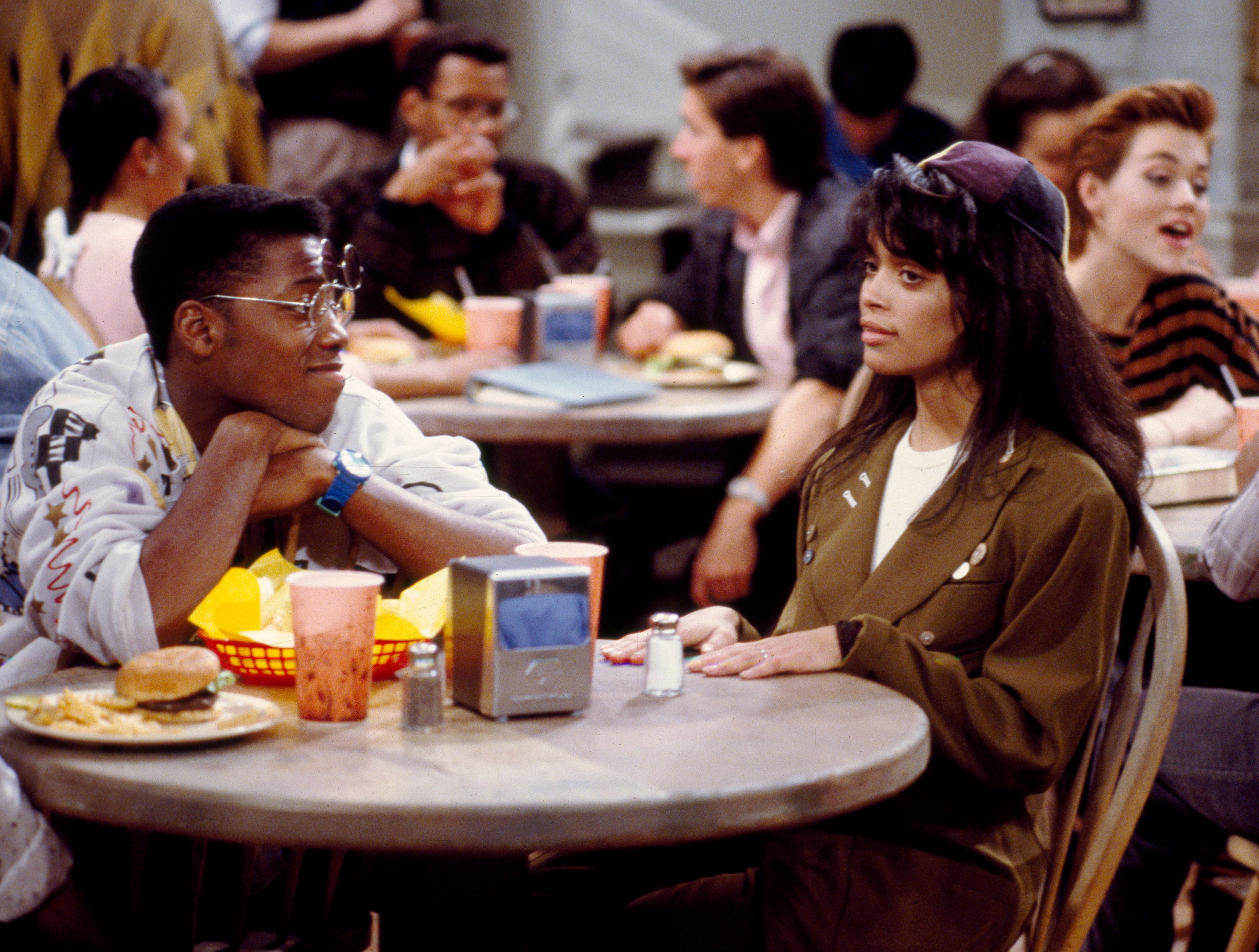
That is why my memory of Season 1 is warmer than its reputation suggests it should be.
It wasn’t yet an accurate portrait of HBCU life.
But it was a portrait.
There is a difference between representation that is incomplete and representation that is meaningless.
Season 1 gave us Hillman.
Season 2 taught Hillman how to be itself.
And maybe “A Different World” needed both.
It needed Debbie Allen, Dwayne Wayne, Whitley Gilbert, Jaleesa Vinson, Freddie Brooks, Kim Reese, Colonel Taylor, Mr. Gaines and everybody else to show us what was waiting on the other side.
But first, it needed Denise Huxtable to get us through the door.
I wonder whatever happened to her.