
How the Tulsa Race Massacre mirrors Atlanta’s 1906 Race Massacre

Tulsa was placed under martial law after Greenwood, the prosperous Black neighborhood commonly known as Black Wall Street, was attacked in 1921.
After a Black teenage shoeshiner was accused of assaulting a white, teenage female elevator operator in a hotel, a white mob descended upon the city in the midst of sensationalized rumors and racial hysteria.
For 36 hours, chaos ensued. Homes and businesses belonging to Black residents were destroyed. The neighborhood was ablaze as families fled for their lives. Many Black Tulsans were unable to escape and were fatally brutalized. The rest were rounded up at gunpoint and interned in makeshift prisons in the city.
However, the racial violence that overtook Greenwood was not unique to Oklahoma.
Fifteen years earlier, Atlanta experienced its own eruption of racial terror during the 1906 Atlanta Race Massacre.
On Saturday, Tulsa native and civil rights attorney Damario Solomon-Simmons will discuss those parallels during a conversation about his new book, “Redeem a Nation,” with journalist and author Michael Harriot.
“‘Redeem a Nation’ is so timely in this moment because Greenwood was built in this moment,” said Solomon-Simmons. “This is why the Greenwood story is such an important story because it’s the best microcosm of the Black experience nationally.”
Solomon-Simmons wants Atlantans to learn from the tragedy of Greenwood and recognize how closely Atlanta’s racial history mirrors that of Tulsa.
“Everybody calls Atlanta the Wakanda. Atlanta has the worst wealth disparity in the country,” said Solomon-Simmons. “The reality is our people are statistically almost either the same or worse off than where we’ve been since the Civil Rights Movement.”
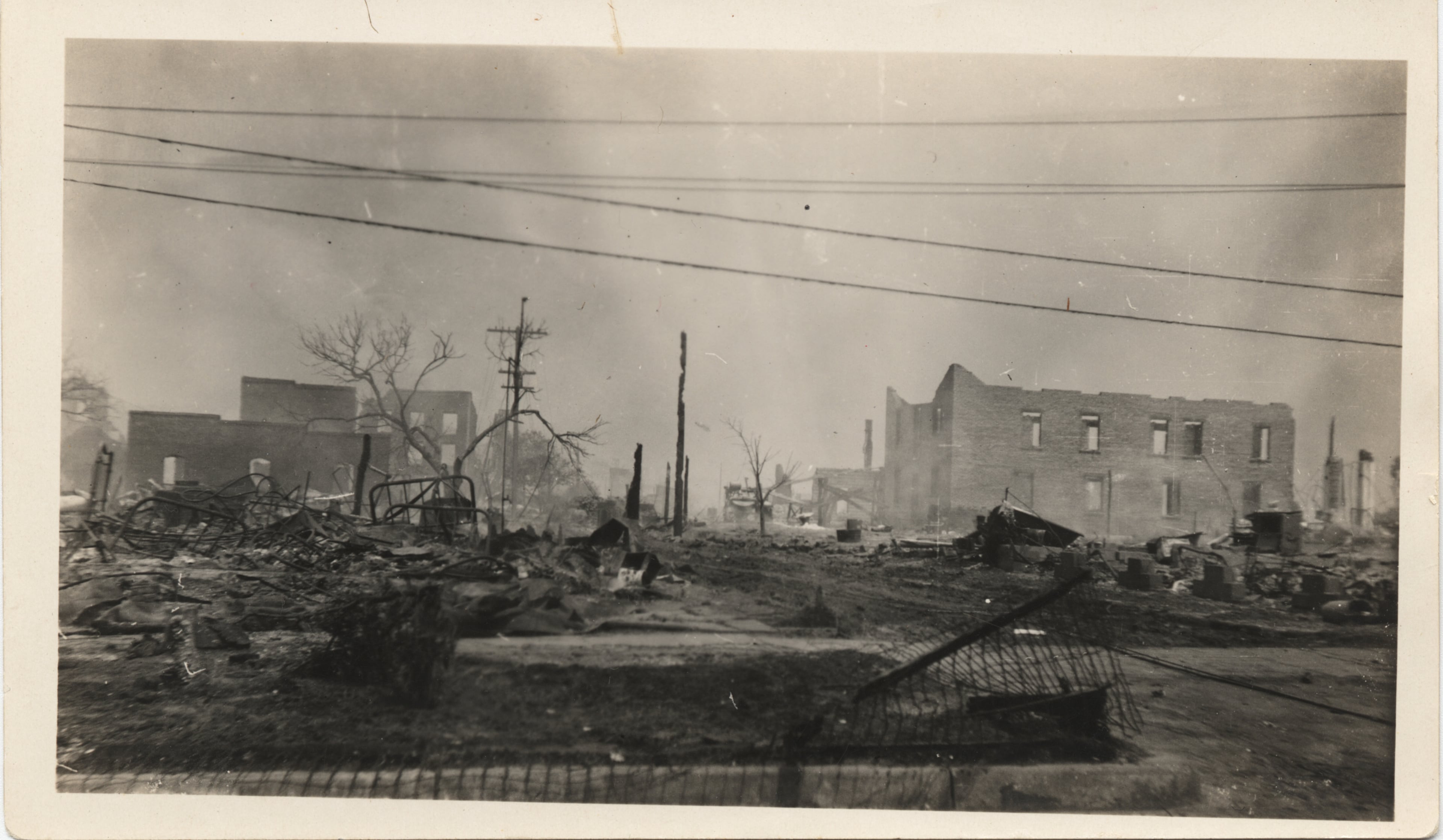
In “Redeem a Nation,” Solomon-Simmons argues Greenwood serves as both a warning and a “blueprint” for Black survival and self-determination in America.
At the beginning of the 20th century, Black residents who migrated to Oklahoma built a thriving community filled with hotels, movie theaters, barbershops and restaurants despite the constraints of segregation. But Greenwood’s prosperity also attracted resentment from white residents, contributing to the violence that devastated the neighborhood.
Historians have long noted that racial massacres in places like Tulsa and Atlanta were fueled not only by white supremacy, but also by fears over Black economic advancement, political influence and labor competition.
Harriot, author of “Black AF History: The Un-Whitewashed Story of America,” called Greenwood the “Atlanta” of its time, filled with Black migrants looking for opportunity and stability.
Similarly, the 1906 Atlanta Race Massacre was fueled by racial tensions amplified through sensationalized newspaper coverage, false allegations against Black men and growing resentment toward Black economic progress in the city’s emerging business districts and neighborhoods. Over the course of four days, a documented 25 Black people were killed
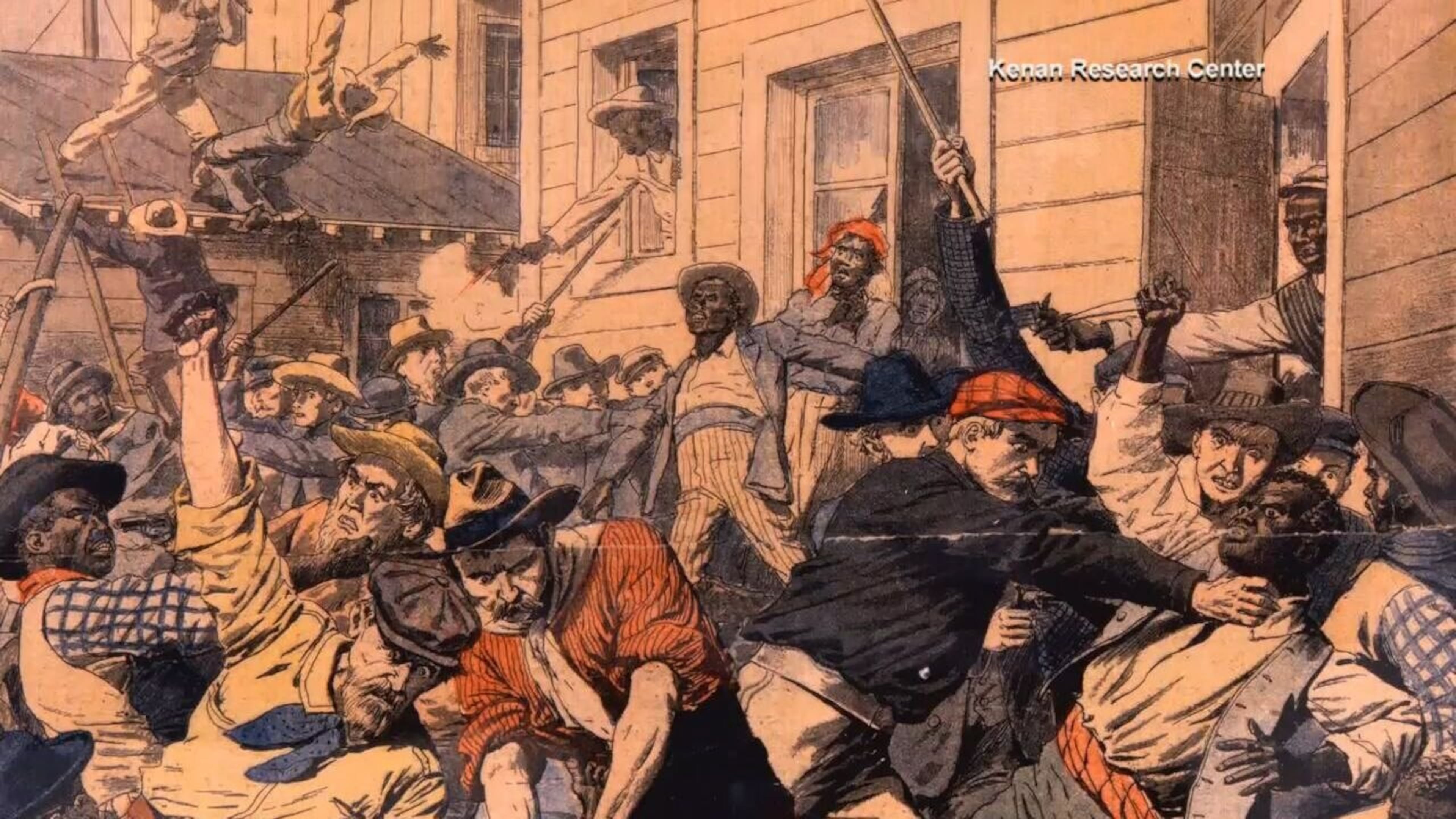
“The massacres were all about wealth-transfer events,” Solomon-Simmons said. “They were wanting to take land, take property and also rid themselves of competition for commerce, and that’s an aspect of massacres that we do not discuss.”
Both massacres were intensified with racial stereotypes depicted in local media coverage.
“All the race massacres you see were, like, white people essentially imagining a threat that didn’t exist,” Harriot said.
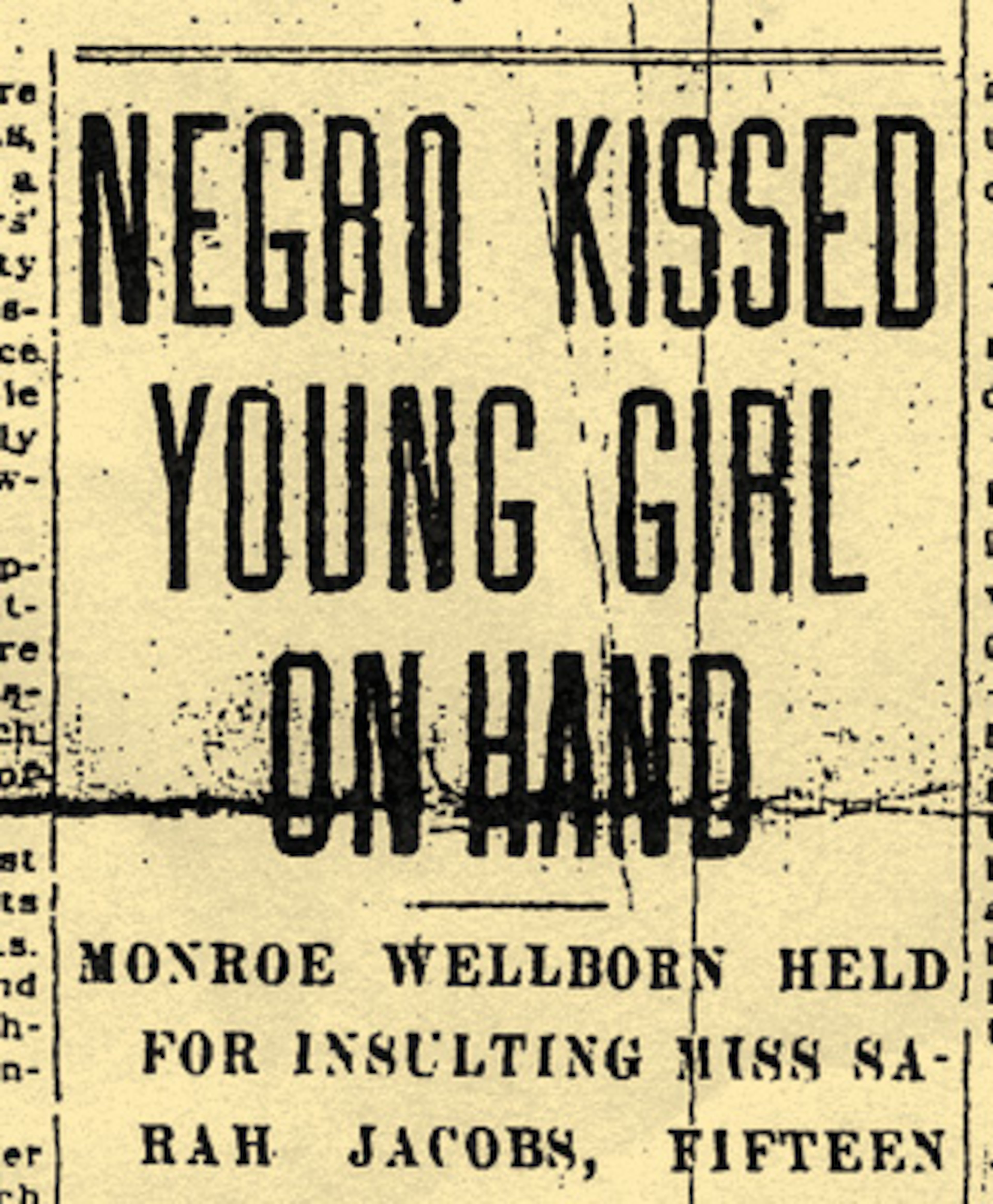
The 120th anniversary of the Atlanta Race Massacre will be commemorated this September.
Solomon-Simmons said many of the inequalities exposed during that era remain visible today, adding that the anti-Blackness that perpetuated slavery, racial massacres and Jim Crow laws still exists in modern America, though it now often operates through public policy instead of overt mob violence.
He pointed to mass incarceration, disinvestment in Black neighborhoods, healthcare inequities and the persistent racial wealth gap as modern examples of what he calls “policy violence.”
Solomon-Simmons, who has represented descendants of Tulsa massacre survivors in ongoing reparations litigation, argues that meaningful reparations should include financial investment, healthcare access and free higher education.
“That same enemy of white supremacy is the same enemy that we’re fighting today, that is our worst enemy,” said Solomon-Simmons. “We’re seeing the same attempt to strip us of our history and political representation.”
IF YOU GO
Redeem a Nation Book Conversation — Atlanta with Michael Harriot
Free — $38.03. Saturday, May 23. 6:30 p.m. 44th & 3rd Bookseller. 451 Lee St. SW, Atlanta. 678-692-6519. eventbrite.com
About the Author

Brooke Leigh Howard is a reporter for The Atlanta Journal-Constitution's Black culture team, UATL.