
Following family legacies, two Atlanta freshmen begin their Spelhouse journeys
Young men arrived in suits and ties at Morehouse College’s King International Chapel.
It was August, and the Georgia heat did not deter some from adding vests to their ensembles.
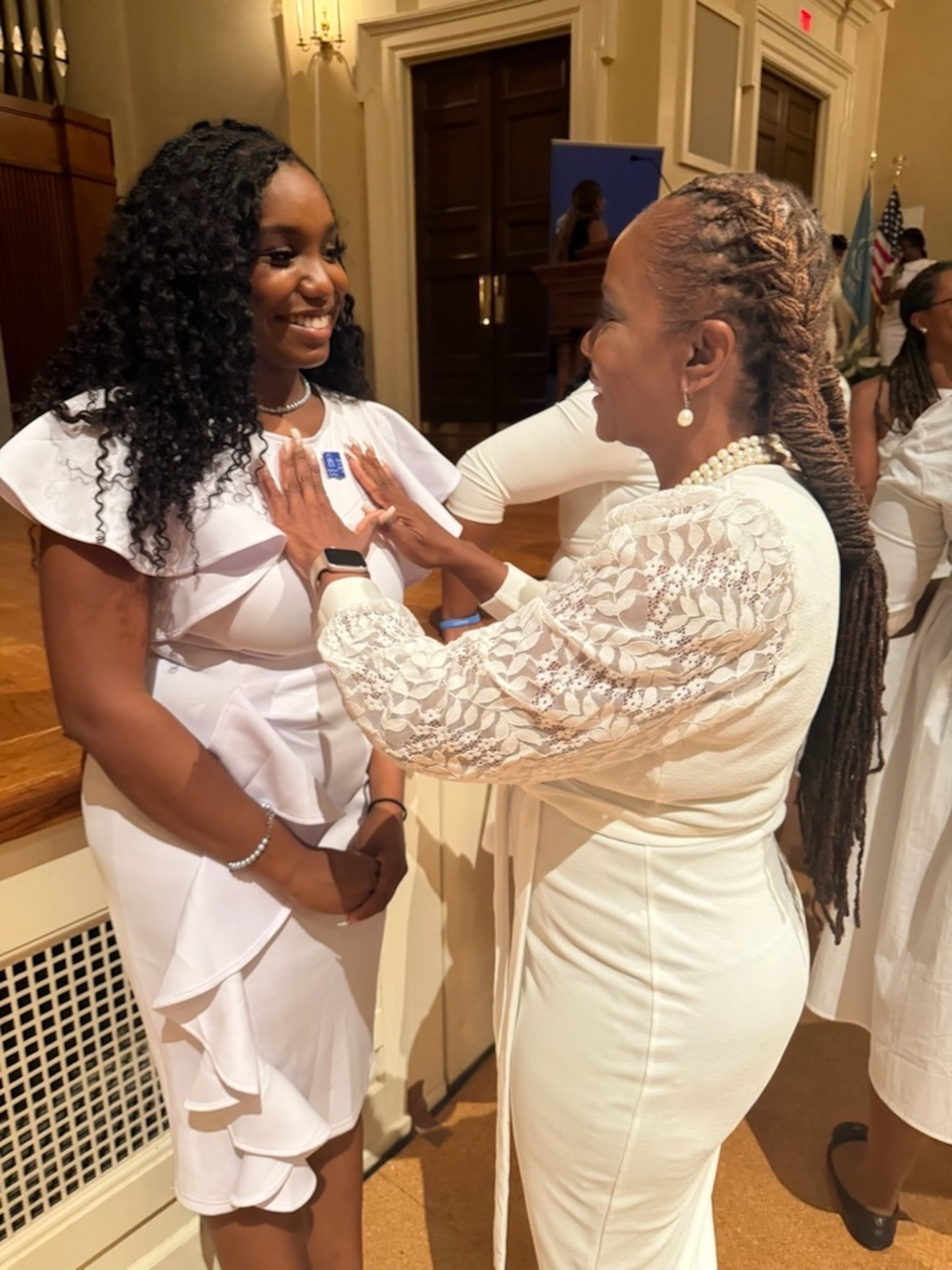
Beside them sat young women in white dresses and pearls, attending the first of what will be many of Spelman College’s traditional all-white ceremonies.
Together, they were members of the newest classes of Morehouse College and Spelman College, gathered Sunday for Joint Convocation. The annual ceremony welcomes incoming students to two institutions whose histories have been intertwined for generations.

Among them were Evan Parker and Brooke Spiva, two Atlanta-area freshmen arriving at the historically Black colleges.
Both followed family legacies into the Atlanta University Center while beginning to imagine what they might build for themselves.
A Spelman legacy five generations strong
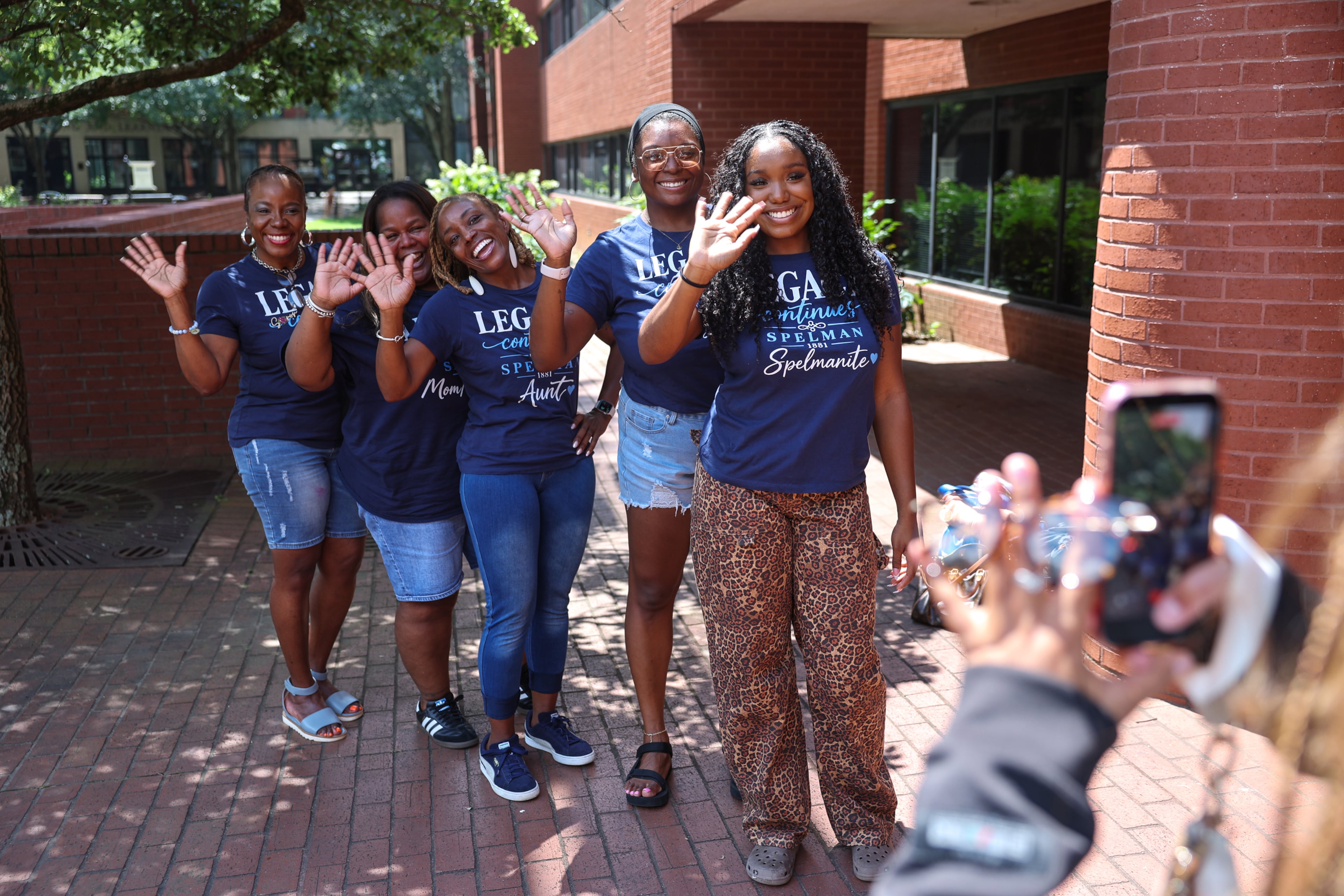
Growing up in Lawrenceville, Brooke Spiva was the latest in a family line of Spelman women that includes her mother, two aunts and older sister.
Spiva’s mother, Yolanda L. Watson Spiva, a 1991 Spelman graduate, wrote “Daring to Educate: The Legacy of the Early Spelman College Presidents” in 2005. As president and CEO of Complete College America, she has built a career in higher education focused on closing performance gaps.
Her father, Wendell Alex Spiva Sr., was part of the family’s HBCU tradition, too. A graduate of Central State University in Ohio, he was also Spiva’s best friend.
He died of pancreatic cancer in 2023, a loss Spiva said forced her to confront how suddenly life can change and gave her a different perspective on her own future.
“When you look at life that way, your whole disposition really changes,” Spiva said.
Before his death, her father also helped guide her toward Spelman. Having married a Spelman woman and watched the path her education created, he understood what the college could offer his daughter.
“He knew from marrying a Spelman woman what the possibilities are,” Spiva said.
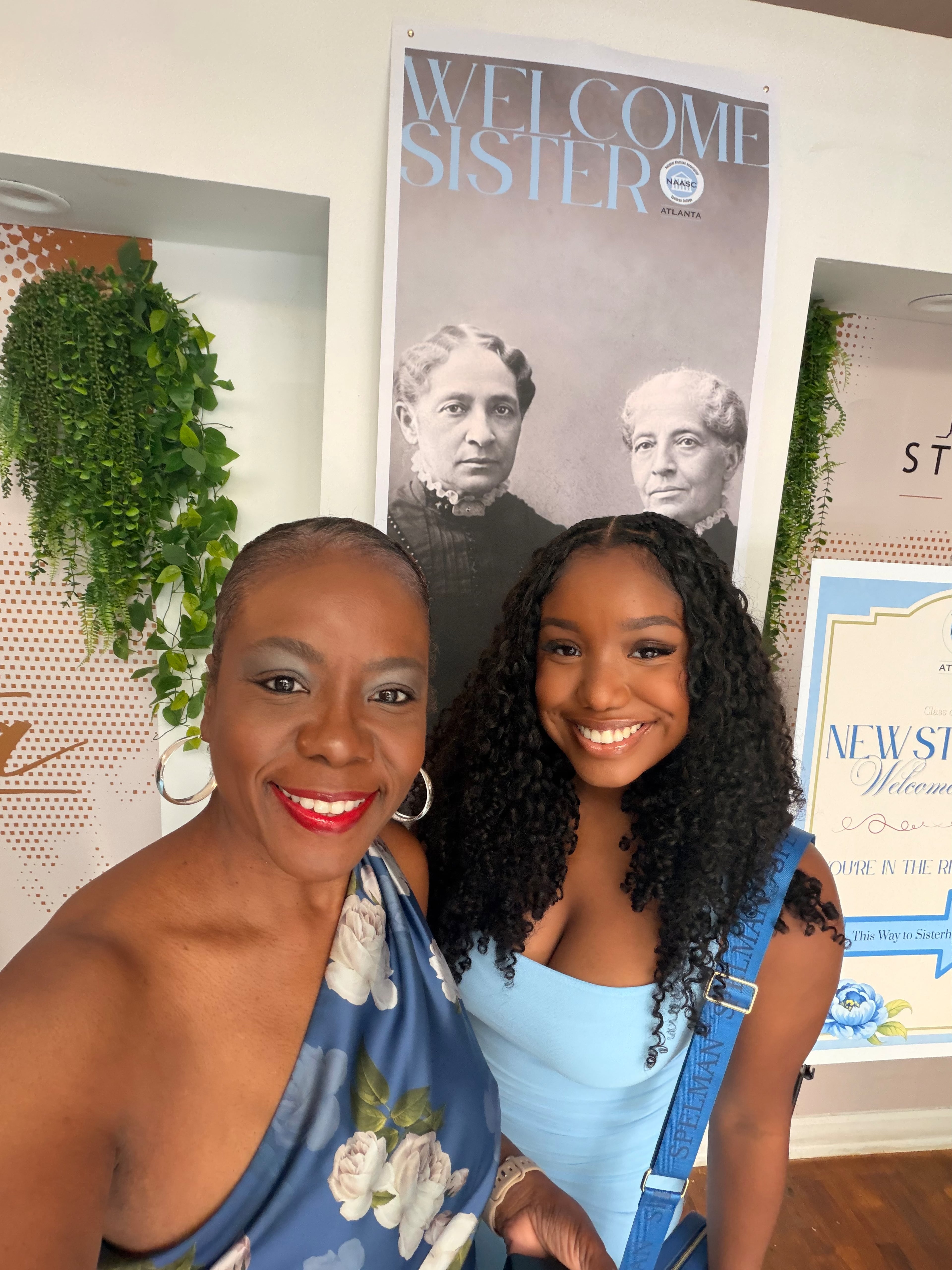
Education was deeply rooted in the family, with several relatives earning doctorates. By the time she was 7, Spiva said she knew she wanted to attend Spelman.
Still, she said the decision remained hers.
“I was surrounded by women who understood the importance of Spelman, but were never going to force that choice on me,” Spiva said. “Growing up with excellence around you makes you (embody) it without even knowing.”
Spiva wanted a college experience that would challenge and transform her, helping her become the best version of herself.
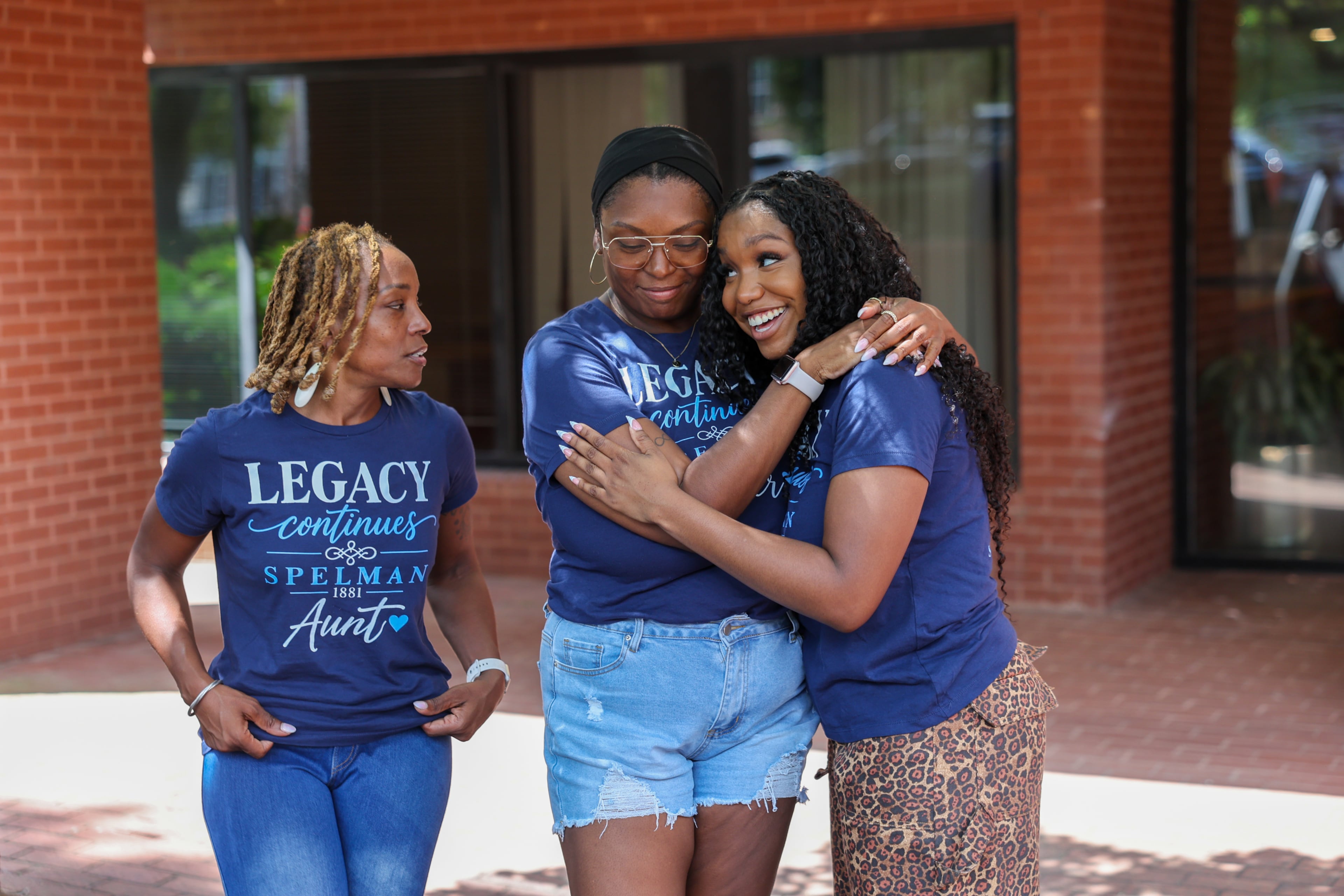
“What really compelled me was how … when you start as a Spelmanite and when you come out as a Spelman woman, you will be changing the world,” she said.
For Spiva, that means finding her own place within the family legacy. The middle of three children, Spiva has long been drawn to the dramatic arts.
The honors student plans to major in theater while exploring other creative fields, including poetry and visual art.
Evan Parker follows his father to Morehouse
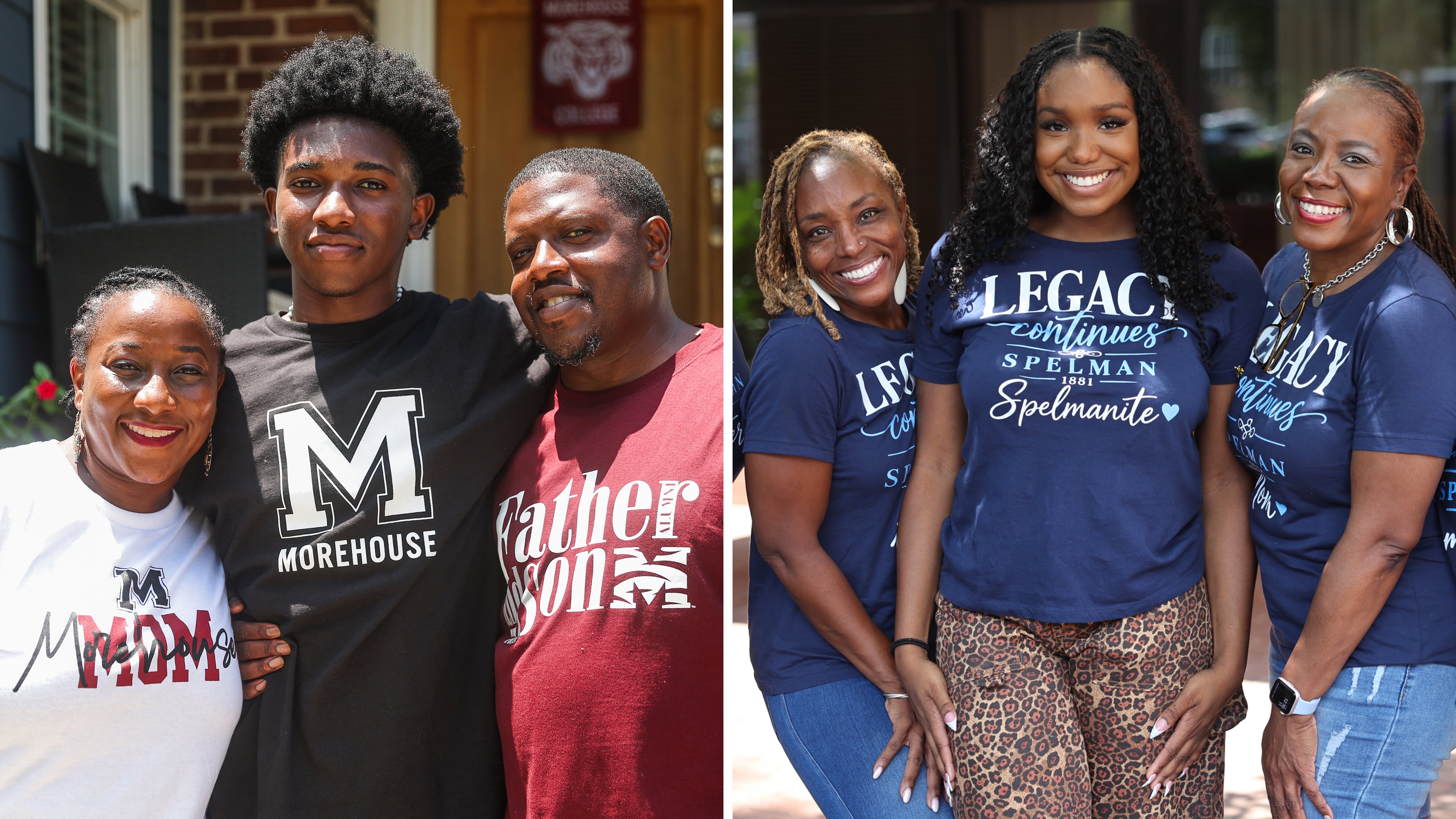
Evan Parker has chosen to follow in his father’s footsteps.
In fact, Morehouse was the only school he applied to.
His father, Sarquis Parker, a 1998 Morehouse graduate, said he wants his son to learn and help create change like a “fundi,” a Swahili word for a skilled person or expert.
His parents, who have described him as among the “best and brightest,” expect him to eventually play a role in advancing society.

Parker plans to spend three years studying engineering at Morehouse before continuing the five-year program at Georgia Tech, where he expects to earn a master’s degree.
He arrived at Morehouse with a full résumé. While holding a part-time job, he trained in engineering camps, volunteered with the Boys & Girls Club and participated in the Atlanta Youth Advisory Council and Future Business Leaders of America.
On top of his extracurriculars, he managed to fit in regular trips to the gym.
“I really just developed those experiences to teach myself responsibility, discipline, time management,” he said. “Volunteering reminded me of the importance of giving back to the community.”
Sarquis Parker and his wife, Keilani, a 1998 Spelman graduate, believe raising children requires a strong village. As AUC graduates, they built much of theirs among fellow alumni.

For Parker, those relationships offered a glimpse of the community he hoped to find at Morehouse.
“We want you to know the joys of friendship,” Keilani told Parker during a farewell party the family held in August. “We want you to have the fortitude and the vision of the ancestors to carry you.”
At Maynard Jackson High School, Parker said he was often one of the few Black students in his accelerated classes. At Morehouse, he wanted something different: an academically ambitious environment where the people around him also looked like him.
“It wasn’t really the academics at all,” Parker said, though acknowledging his decision to apply only to Morehouse was “risky.”

“What I saw mostly was the friendships and connections (my parents) built,” Parker said. “Everyone helps each other out.”
As the oldest of three children, Parker hopes to build a community of his own at Morehouse. He said he wants the kind of brotherhood his father found there.
Preparing for Spelman and Morehouse
Parker’s immediate and extended family threw a farewell party just weeks ahead of Morehouse’s new-student move-in date.
The Ormwood Park home, decorated in Black art and historic images, was packed with a supportive group. They extended their arms in prayer to protect and uplift the incoming freshman.
Parker’s mother, Keilani, said she hoped her son would find young men who are “similarly fashioned.”
“(Sarquis and I) are … just hoping that (Parker) figures out what man he wants to be and how he wants to serve the world,” she said.

Sarquis said he did not grow up with a father figure, but he hopes the community of men he has built will provide inspiration to his son.
“What I did not have in my arsenal, I’ve got a battery of men that are here … and that’s what I want for you,” Sarquis said.
Just a week before Spelman’s move-in, Spiva and her mother headed out for an afternoon of school shopping. Spiva still had not found a white dress for the college’s traditional ceremonies.
Her mother, Yolanda, had been through the Spelman rituals before. As the first in the family to attend Spelman, she inspired her two younger sisters and oldest daughter to attend.
Spiva’s family ordered supplies for her dorm and even created a shopping registry.
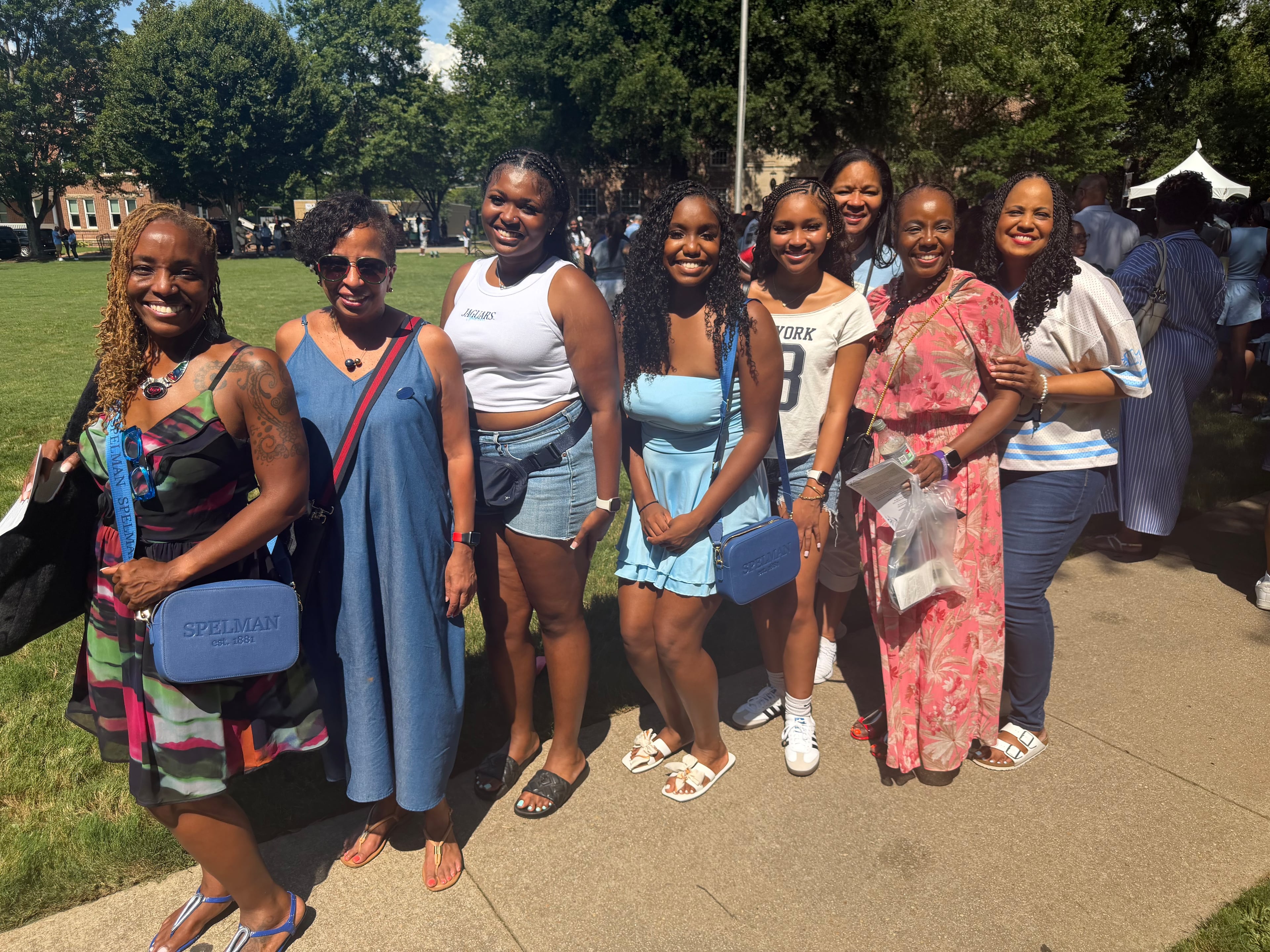
Though Spiva was accustomed to wearing a uniform at her private high school, she said she was not accustomed to being surrounded by peers who looked like her.
Being in a space with other Black girls, she said, was “amazing.”
“I wouldn’t say it’s intimidating, but it’s definitely exciting,” she said.
At a time when diversity initiatives in higher education have faced political and legal challenges, Yolanda said the experience of attending a Black women’s college feels “more impactful and more poignant.”
“It’s become more relevant, especially in these times,” she said.
Within the final hour before stores closed, the mother-daughter duo found a dress for Spiva’s Spelman Induction Ceremony — the first of many white dresses she will wear at Spelman and another connection to the family tradition she was joining.
Adjusting to a new life
After an emotional Parents’ Parting Ceremony just days before classes started, Parker was officially welcomed by his peers as he paraded through a tunnel of cheering upperclassmen.
“I’ve got a feeling, brother,” Morehouse upperclassmen chanted to the incoming students. “I’ve got a feeling somebody’s trying to sneak in my house!”
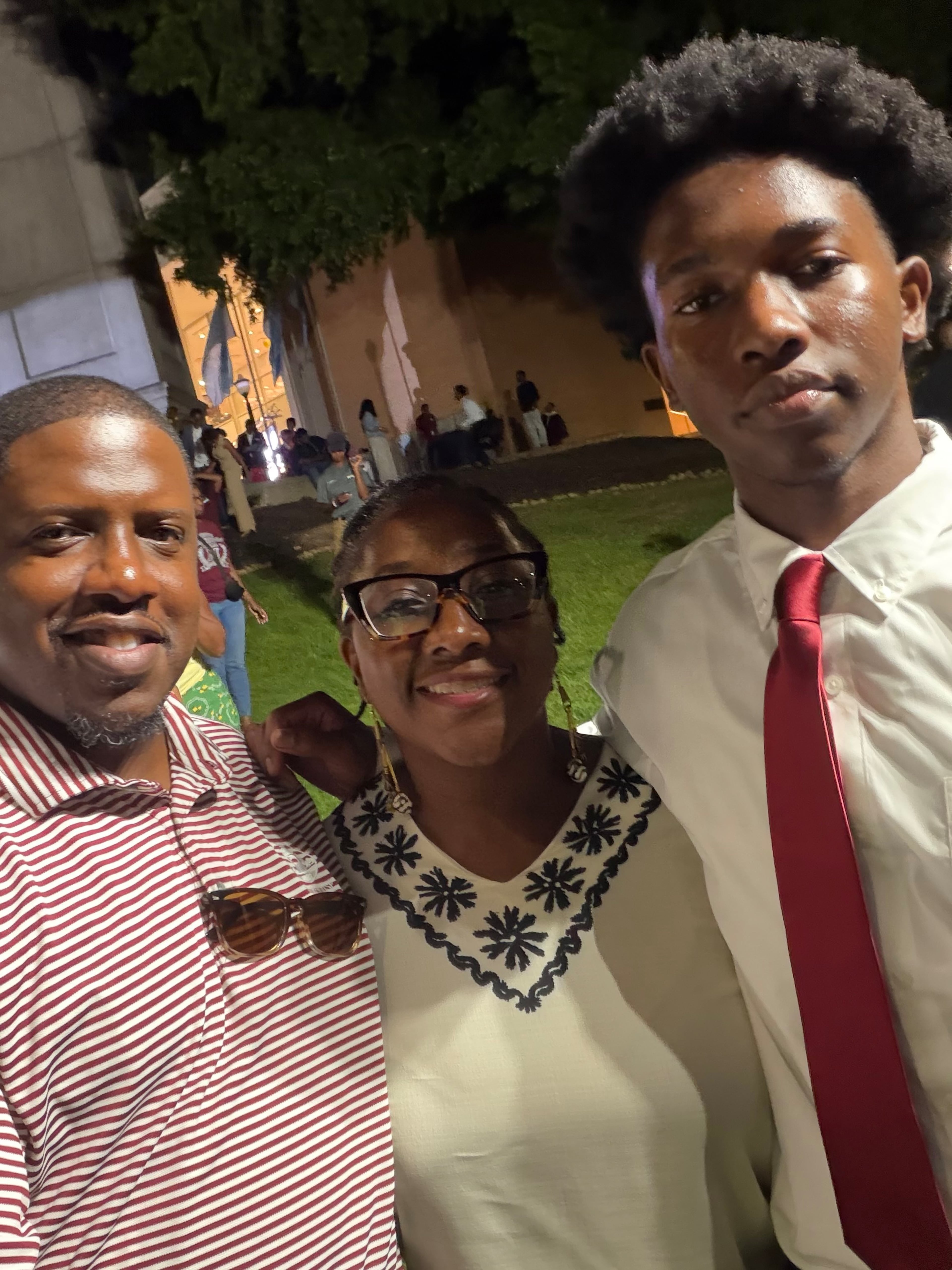
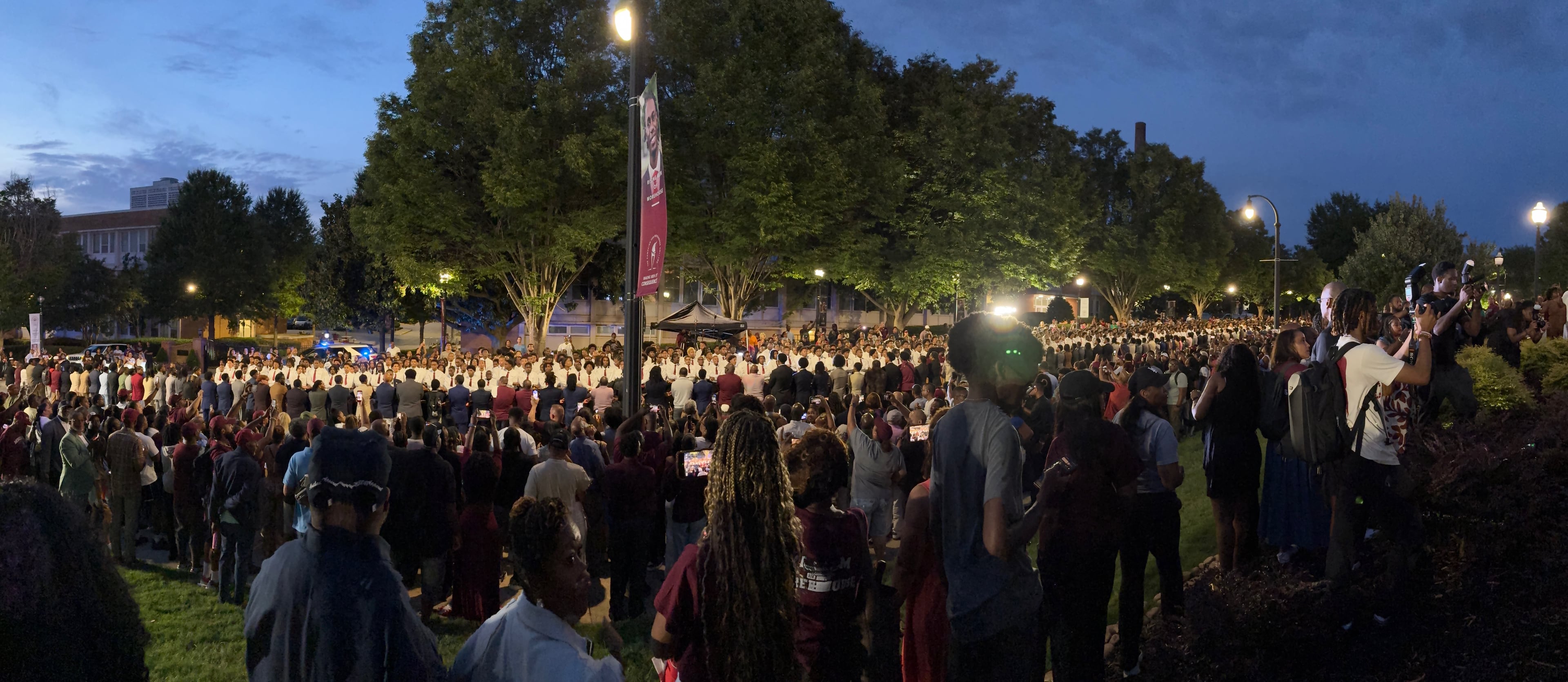
Strutting with a smile on his face, Parker held his head high as he walked into a new phase of life.
For Parker, the moment marked the beginning of making decisions for himself as a Morehouse student.
“Everything I decide is on my own,” Parker said. “I’m just looking forward to trying to figure things out for myself.”
For Spiva, move-in day felt more like a reunion.
The Spelman women in her family helped move her into a new home that was already filled with reminders of the generations who came before her.
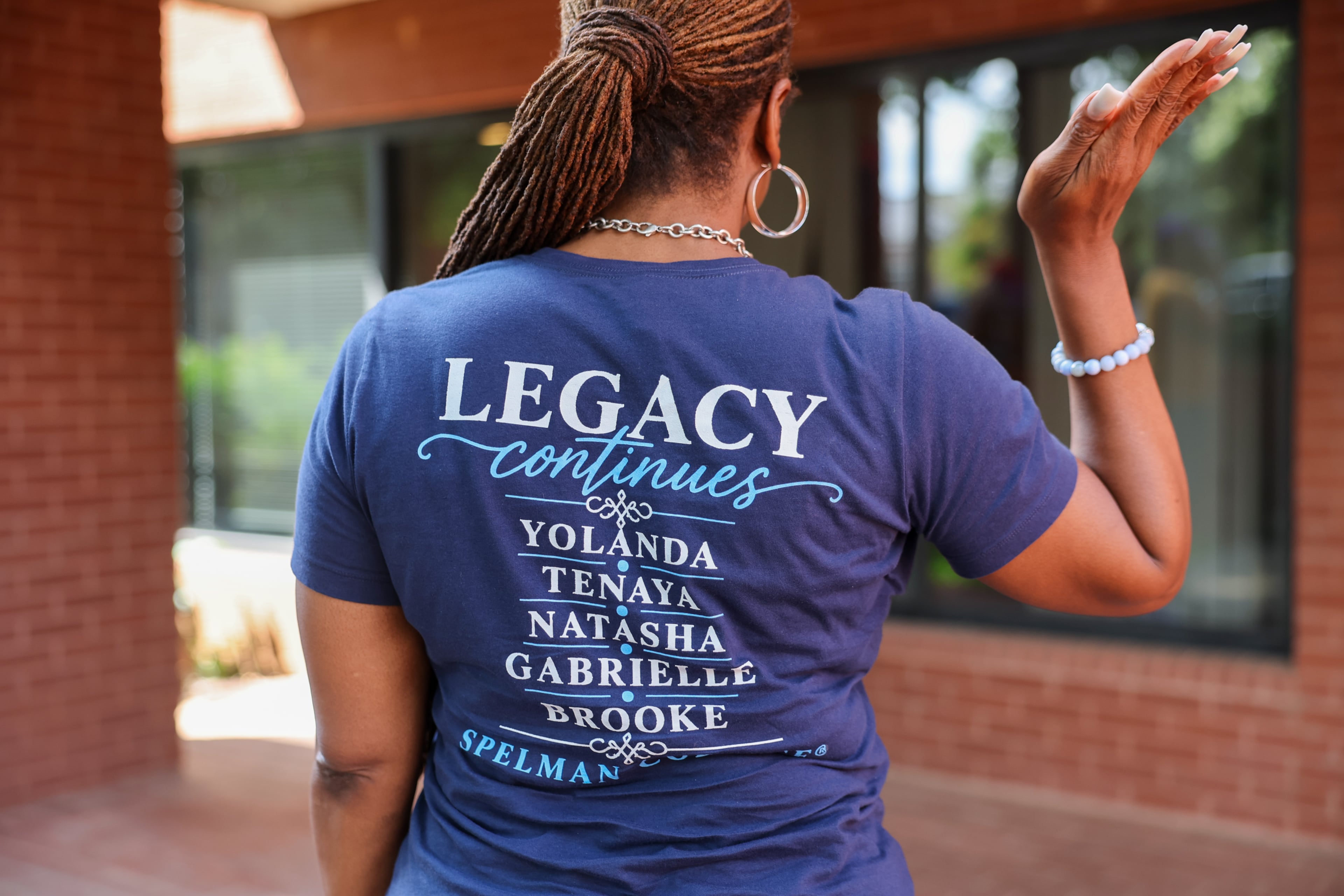
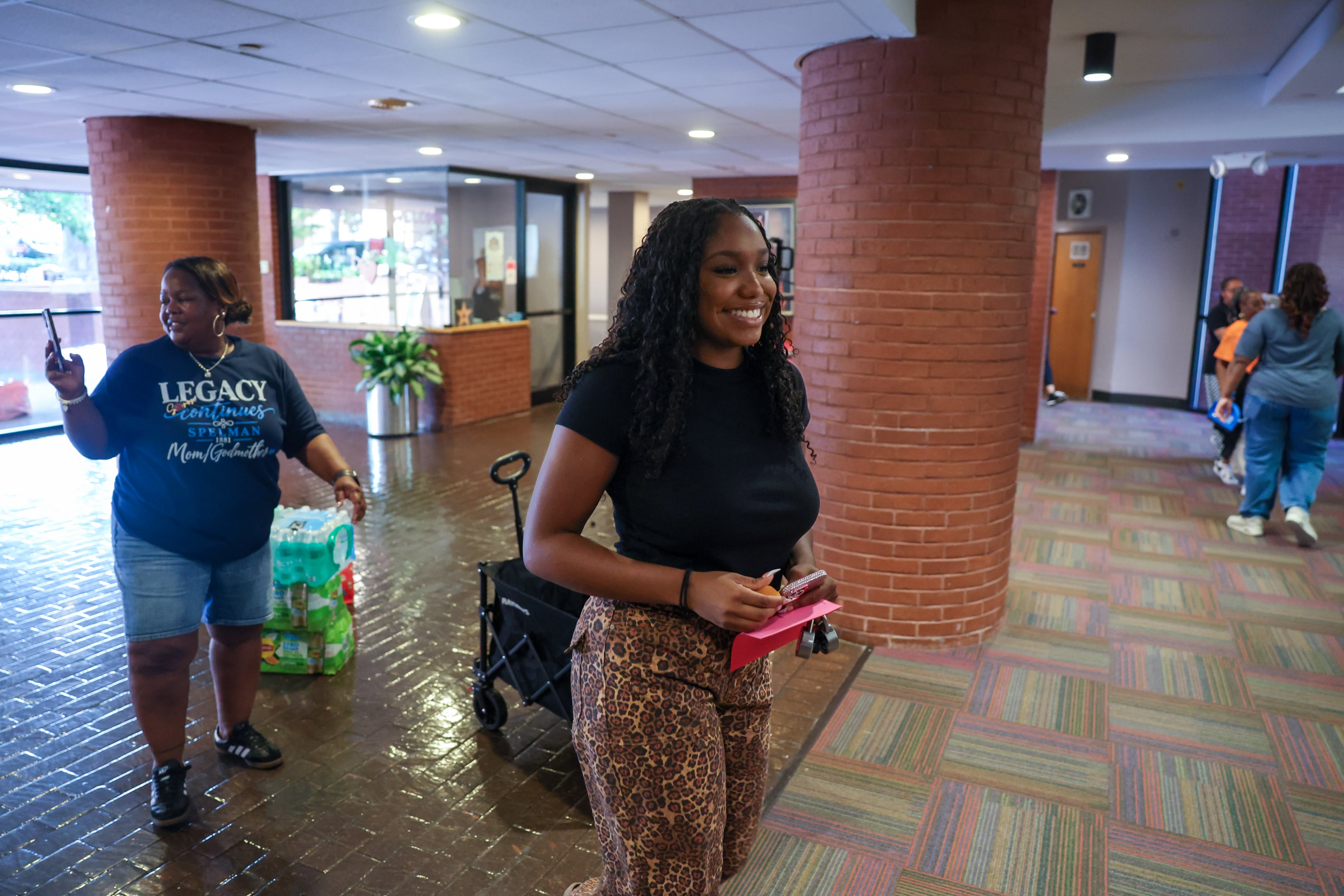
In a full-circle moment, Spiva was assigned to the same residence hall where her mother had lived and the exact room her older sister once occupied.
Her mother, Yolanda, described the day as full of “serendipitous” surprises. Even before the family reached campus, there had been one more.
On the drive to Spelman, the family’s GPS unexpectedly routed them past the cemetery where Spiva’s father was buried.
“Like a guardian angel … let me know Brooke’s gonna be fine,” Yolanda said.