
Homecoming season and the challenges HBCUs face

It’s homecoming season and at historically Black colleges and universities, it’s time for reunions, reminiscing and renewing bonds that transcend academics. Homecoming is about fellowship. Homecoming is about legacy. Homecoming is a tradition that has endured for years at HBCUs nationwide. While we rejoice in the occasion, we must recognize and prepare for the challenges ahead.
HBCUs were established during the Reconstruction era following the Civil War. Their purpose was to provide education to former enslaved Black people and their children. This was during a time when predominantly white institutions did not allow Black people to enroll because of segregation. Unfortunately, several HBCUs have closed in recent decades.
The list includes:
- Concordia College in Selma, Alabama
- Mary Holmes College in West Point, Mississippi
- Morristown College in Morristown, Tennessee
- Saint Paul’s College in Lawrenceville, Virginia
- Lewis College of Business in Detroit, Michigan
- Bishop College in Dallas, Texas
- Daniel Payne College in Birmingham, Alabama
- Friendship College in Rock Hill, S.C.
- Mississippi Industrial College in Holly Springs, Mississippi
What happened to their traditions? What happened to their legacy? Where is their homecoming?
Of the approximately 100 remaining HBCUs, several of them have faced or are currently facing serious threats to their existence. Saint Augustine’s University in Raleigh, North Carolina, is currently in bankruptcy less than a decade after producing a national championship men’s outdoor track team. They did not offer fall classes this year. Where is their homecoming? What does homecoming look like for them this year?
In times where diversity, equity and inclusion is under attack, HBCUs are faced with unique challenges. One challenge is enrollment. Increasing enrollment while meeting the needs of the students is a challenge that my alma mater, Morris Brown College, currently faces. Howard University made headlines for disenrolling roughly 500 students because of confusion over payment deadlines. Challenges are not limited to these two venerable institutions.
A significant challenge our HBCUs face is the lack of visionary leadership. When visionary leadership is present, our institutions flourish. An example of this is Claflin University in South Carolina. Under the visionary leadership of multiple presidents, Claflin notes it enjoys the highest alumni donor participation rate of all HBCUs. When this does not happen, high turnover exists, student outcomes trend downward, the alumni fracture and the institution suffers.

The most prominent challenge HBCUs face is chronic underfunding. According to a 2018 report from the Government Accountability Office, public HBCUs reported, on average, $67 million in deferred maintenance backlogs while private HBCUs reported an average of $17 million.
In spite of all of the challenges, the threats to fiscal stability and the political uncertainty, I believe that our HBCUs will meet the moment and thrive. I believe it because HBCUs educate over 300,000 students annually. I believe it because the connections that are formed during matriculation go beyond the academic and grow to become family bonds. I believe it because Black education matters. The tradition matters. The legacy matters.
So as we celebrate this year, cherish the memories, uphold the legacy and prepare a space for those following us. Because now, more than ever, homecoming matters.
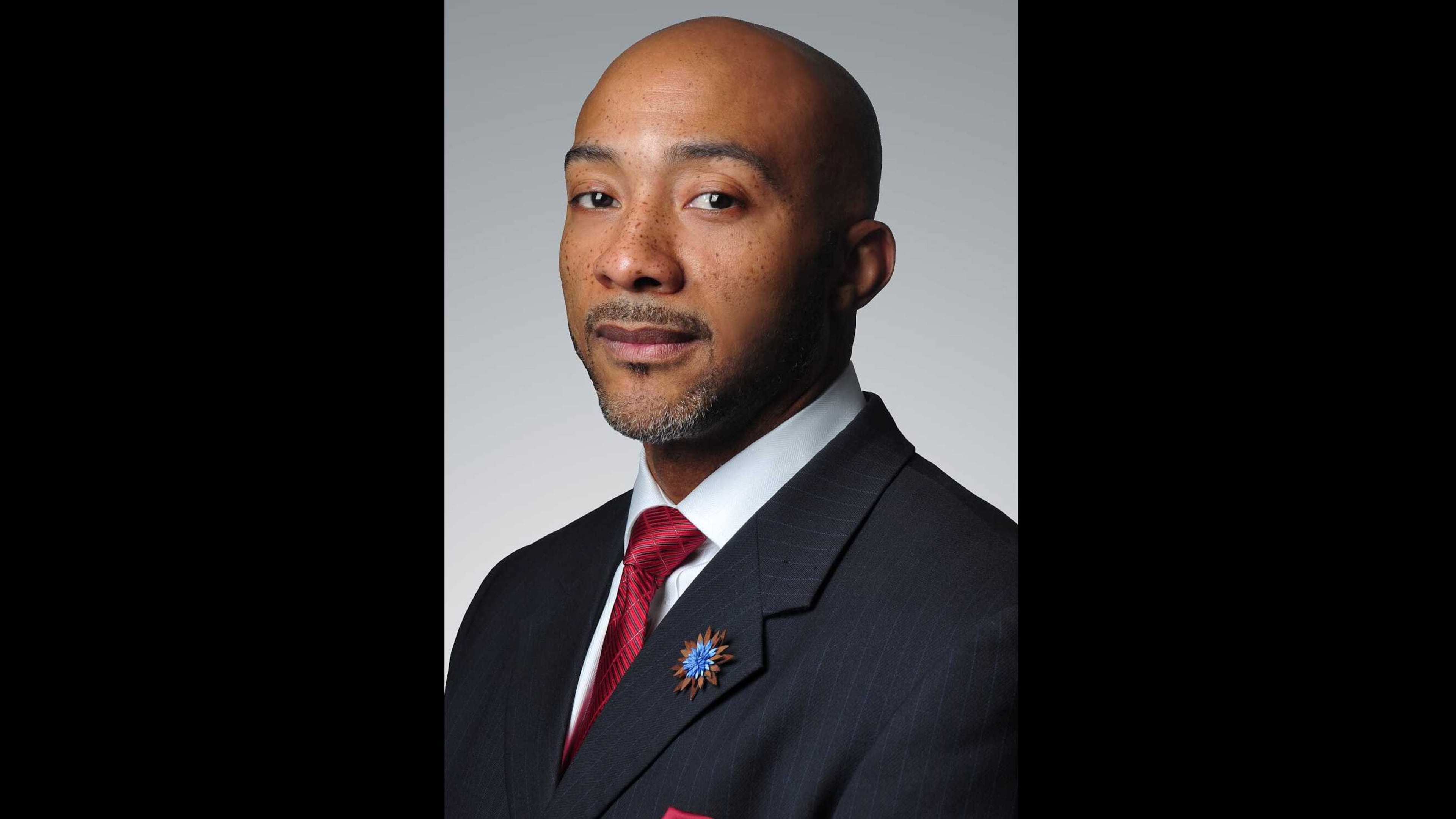
Jeffery L. Miller is an alumnus of Morris Brown College. He is the past governance committee chair of the college’s board of trustees and immediate past president of the DeKalb alumni chapter of the Morris Brown College National Alumni Association.