
How Atlanta’s Black LGBTQ+ voters are approaching Georgia’s midterm elections
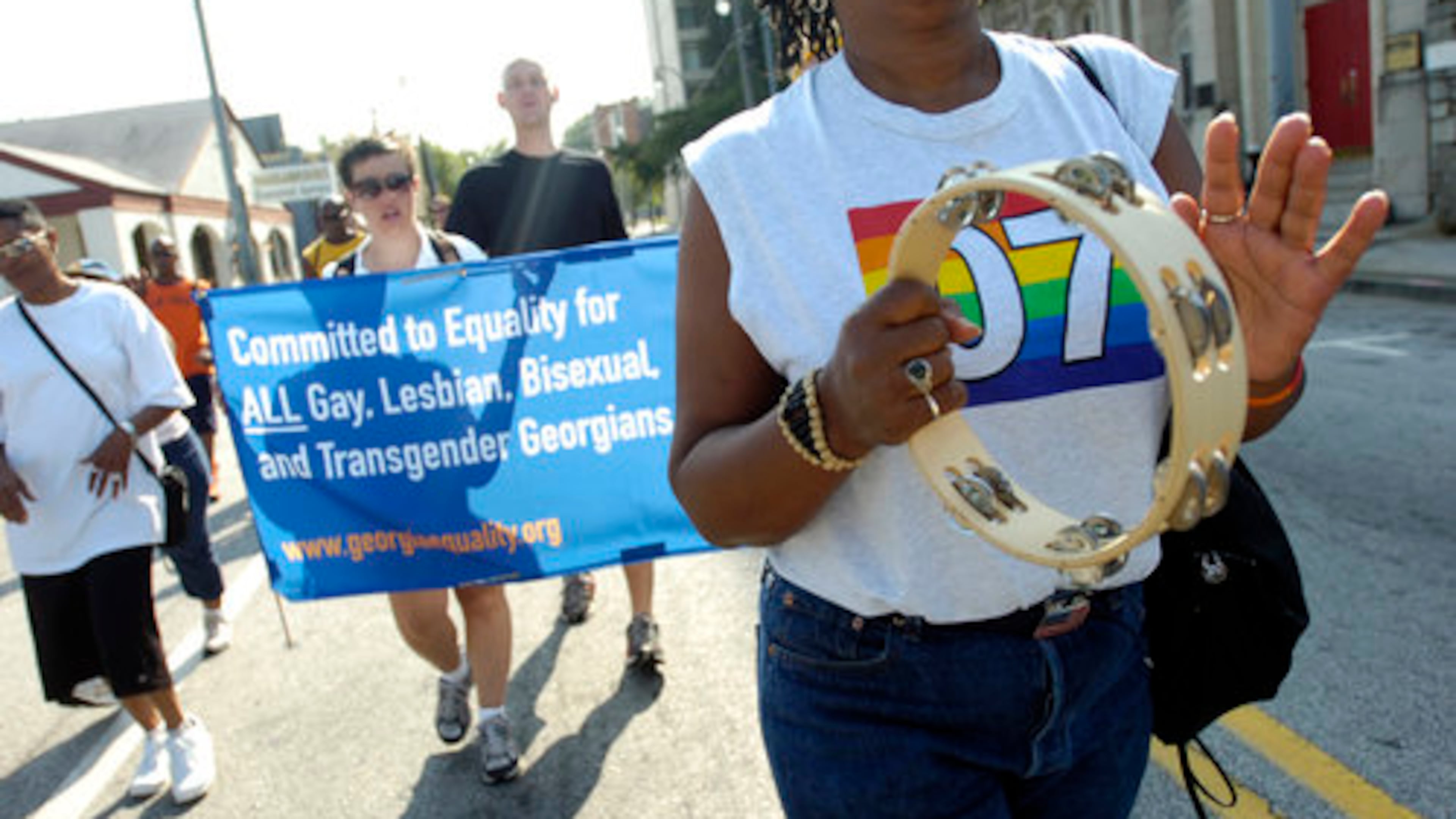

For Atlanta’s Black LGBTQ+ voters, Georgia’s midterm elections come at a moment of political progress and growing uncertainty.
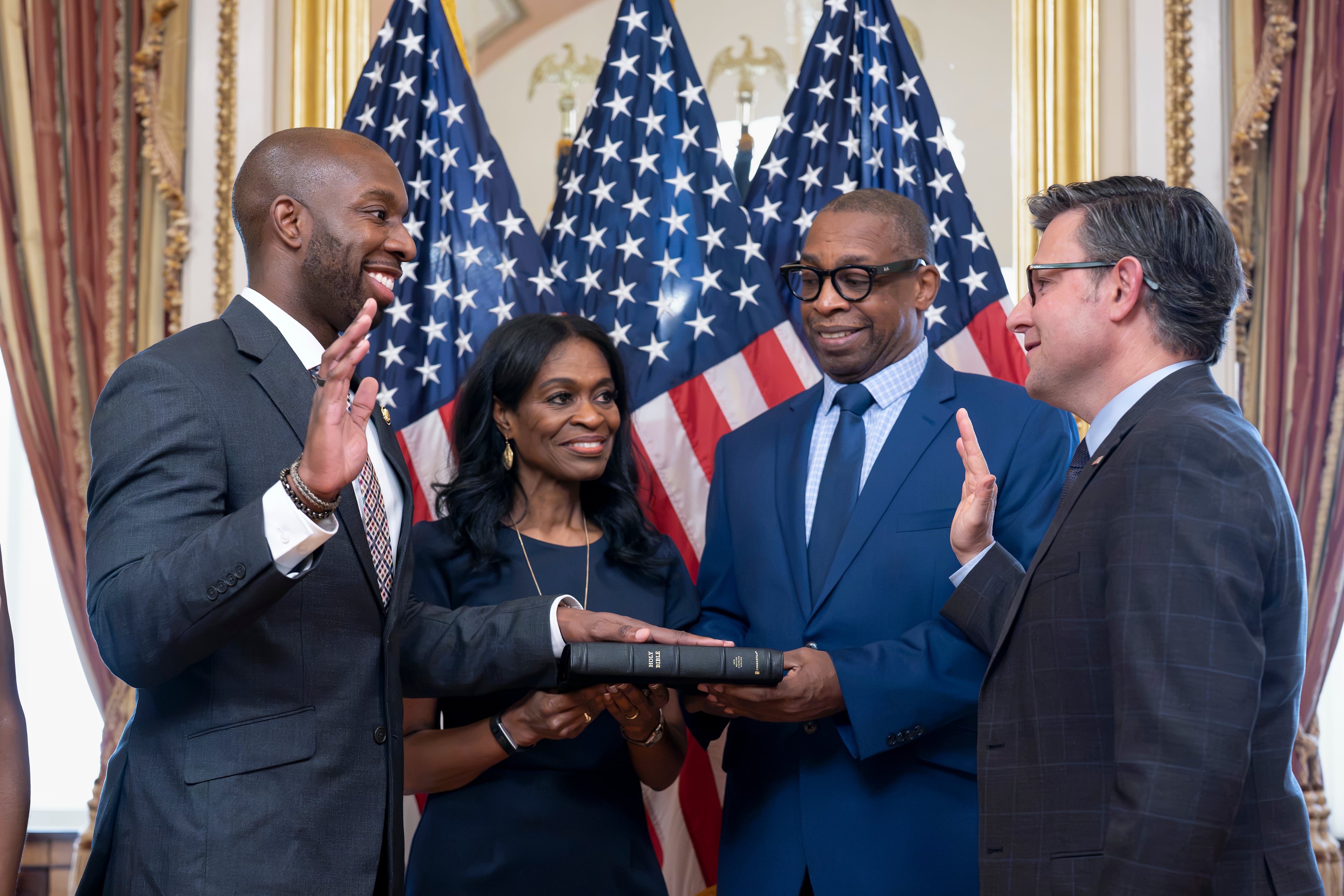
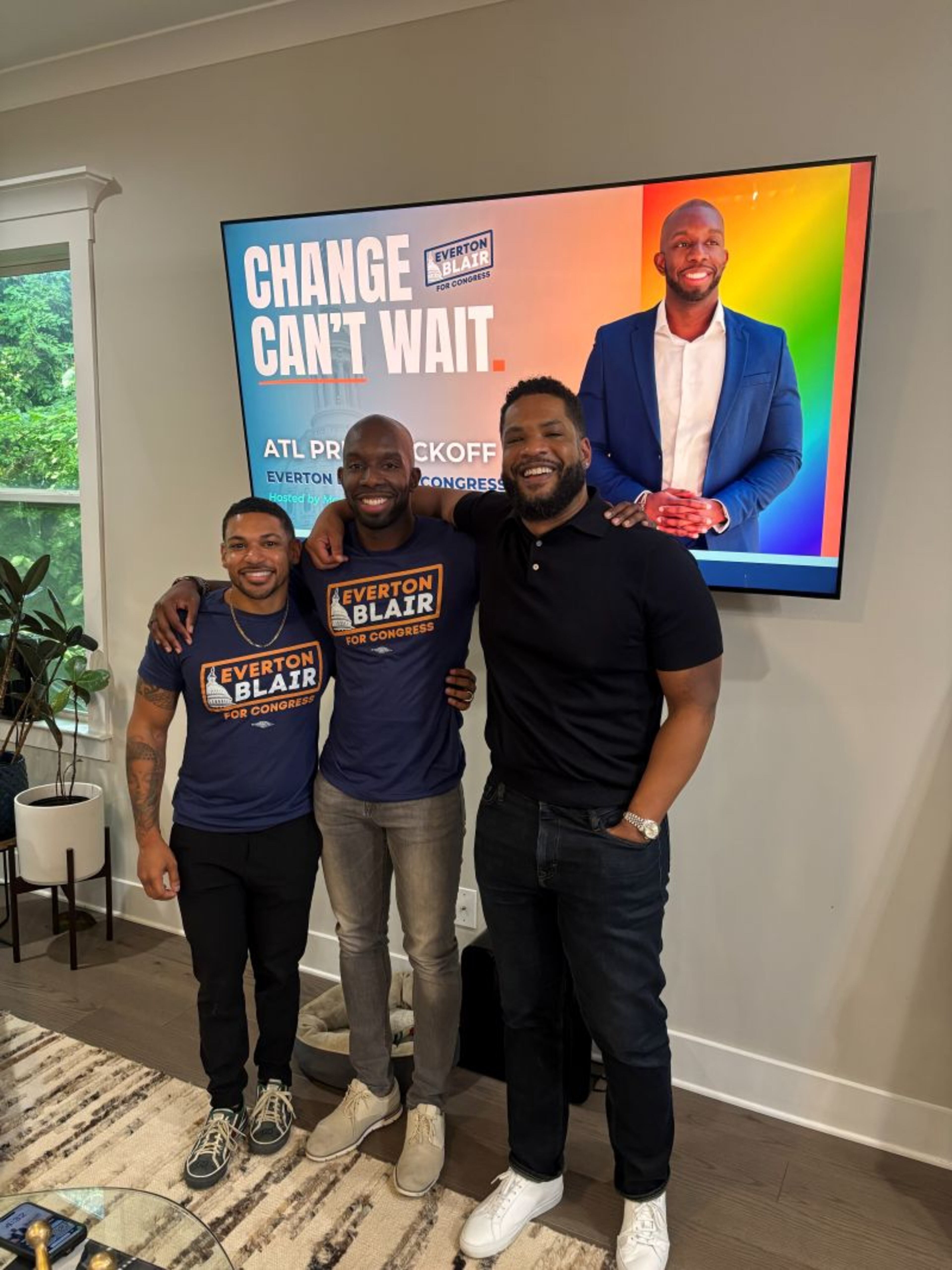
The election of Everton Blair Jr. to Congress in August marked a milestone in representation. The former Gwinnett County educator became Georgia’s first openly gay member of Congress and the first Black, openly gay member of Congress from the South.
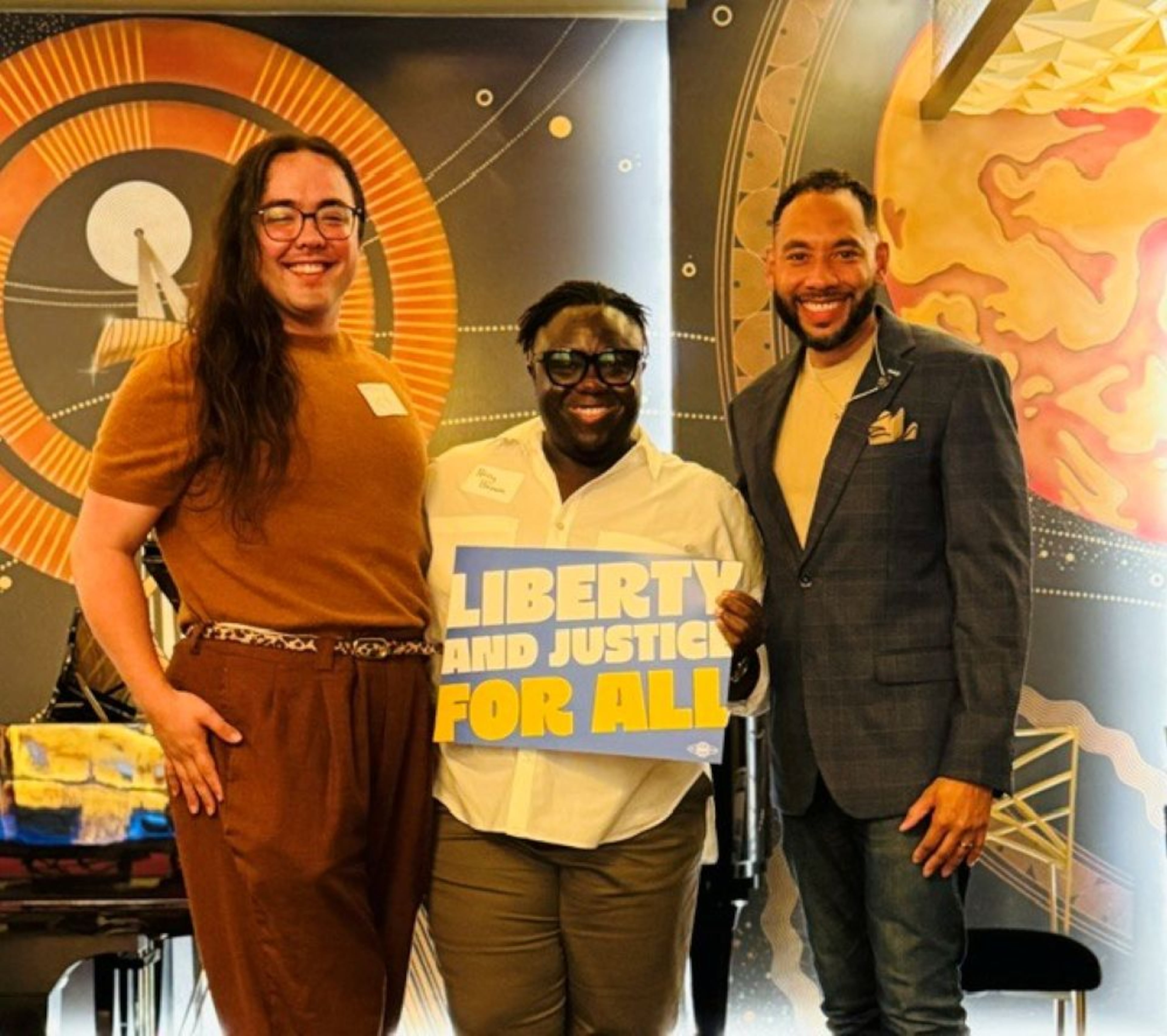
“It’s long overdue. This moment is a culmination of years of hard work and perseverance,” said Percy Brown, an Atlanta native and Human Rights Campaign board member.
But as Georgia voters prepare to elect a governor Nov. 3, members of Atlanta’s Black LGBTQ+ community are weighing concerns about rising living costs, voting rights, access to healthcare and the future of civil rights protections.
For many, the election is about more than LGBTQ+ issues. They want the next governor to address the economic pressures affecting all Georgians while ensuring that Black LGBTQ+ residents are not overlooked in decisions that shape their lives.
“There’s a lot of things that are happening in the country that Black LGBTQ+ people want to show up for and say enough is enough. We’re showing up not only for ourselves but also our neighbors. We just wish that everyone did the same for us,” Brown said.
Addressing affordability and employment
Affordability is among the top concerns for Atlanta’s Black LGBTQ+ community. Rising unemployment among Black workers, combined with higher costs for groceries, housing and other necessities, has added to those economic worries.
In September, the national unemployment rate among Black workers jumped to 7%, up a full percentage point from August and nearly double the 3.6% rate for white workers.
Dr. David Malebranche, an Atlanta-based internal medicine physician, said economic concerns extend beyond sexual orientation.
“We’re going to be concerned about the same s--- that everybody else is concerned about. I’m just getting really exhausted with what’s impacting people every day versus the culture wars,” Malebranche said.
Public and private sector companies have also dismantled or restructured their diversity, equity and inclusion efforts.
Malebranche said those initiatives were intended to expand opportunities for qualified people from underserved communities.
“It’s been sad to see these institutions, that make sure there was an equal playing field, get twisted into a narrative that it’s some kind of privilege, entitlement or somebody not being talented enough to be given the opportunity anyway,” Malebranche said.
Concerns about voting rights and representation
Atlanta’s Black LGBTQ+ voters are also concerned about changes to voting-rights protections.
An April U.S. Supreme Court ruling narrowed a key provision of the Voting Rights Act of 1965, making it more difficult to challenge electoral maps that dilute the voting power of racial minorities.
Atlanta-based workforce analyst Andrew Johnson-McCaskill said it’s vital for Black voters and other communities of color to pay attention to changes in voting rights and political representation.
“State legislators are redrawing maps to make it harder for Black representation all over the South,” he said. “The majority of us live in the South in bright red states, so we need some representation that looks out for Black voters and stop some of this partisan gerrymandering that’s happening.”
Access to affordable healthcare
Access to affordable healthcare is another concern. Rising insurance premiums and gaps in coverage have added to the financial pressures facing some Black LGBTQ+ residents.
Georgia lawmakers passed a law in 2023 banning most gender-affirming medical care for minors, including hormone therapy and surgery.
In June 2025, the U.S. Supreme Court upheld a similar law in Tennessee, a ruling that could affect a legal challenge to Georgia’s restrictions. The decision intensified concerns among LGBTQ+ advocates about access to care.
Johnson-McCaskill, a Mississippi native, worries that reductions in federal Medicaid spending will disproportionately affect Black residents in rural communities.
“Pretty soon, we’re going to start to see all of these hospitals and clinics in rural parts of the country disappear because of decreases in federal Medicaid spending,” he said. “If you’re Black, you’re going to have to travel further to get healthcare. It’s going to be harder for them to get to a doctor or hospital if it’s needed.”
Taking their concerns to the polls
Several Black LGBTQ+ voters said they cast their ballots early, hoping to avoid lines and potential Election Day disruptions.
The Human Rights Campaign has partnered with local organizations to register voters and canvass for endorsed candidates.
Johnson-McCaskill voted at C.T. Martin Natatorium and Recreation Center. He said he’s navigating the political climate by having conversations with undecided voters.
“I stay focused on telling all of my people, friends and family to get out there, vote and tell them to tell somebody else,” he said. “There are so many young people who don’t think they will vote or the process doesn’t care about them. We cannot throw those people away.”
Malebranche voted early at East Point Library. He said he voted for Democrat Keisha Lance Bottoms because she aligns with his views on community.
“I look for consistency in candidates who actually care about all people and not just the people they can see in their own families. I’m going to always vote for the person that is focused on equality and a fair shot for everybody,” he said.
Actor Nicco Annan, who portrays the nonbinary character Uncle Clifford on “P-Valley,” hopes diverse communities will consider their neighbors when going to vote.
“Community can come together as we have in the past and make it over,” Annan said.
Johnson-McCaskill hopes voters can come to an understanding beyond partisanship.
“I want us to get to a place where we are truly united, be able to disagree but still talk to each other. If we’re going to see change, we must get in the fight,” he said. “We have to see each other’s humanity again and not just red and blue.”