
Honoring C.T. Vivian’s legacy through the power of the pen
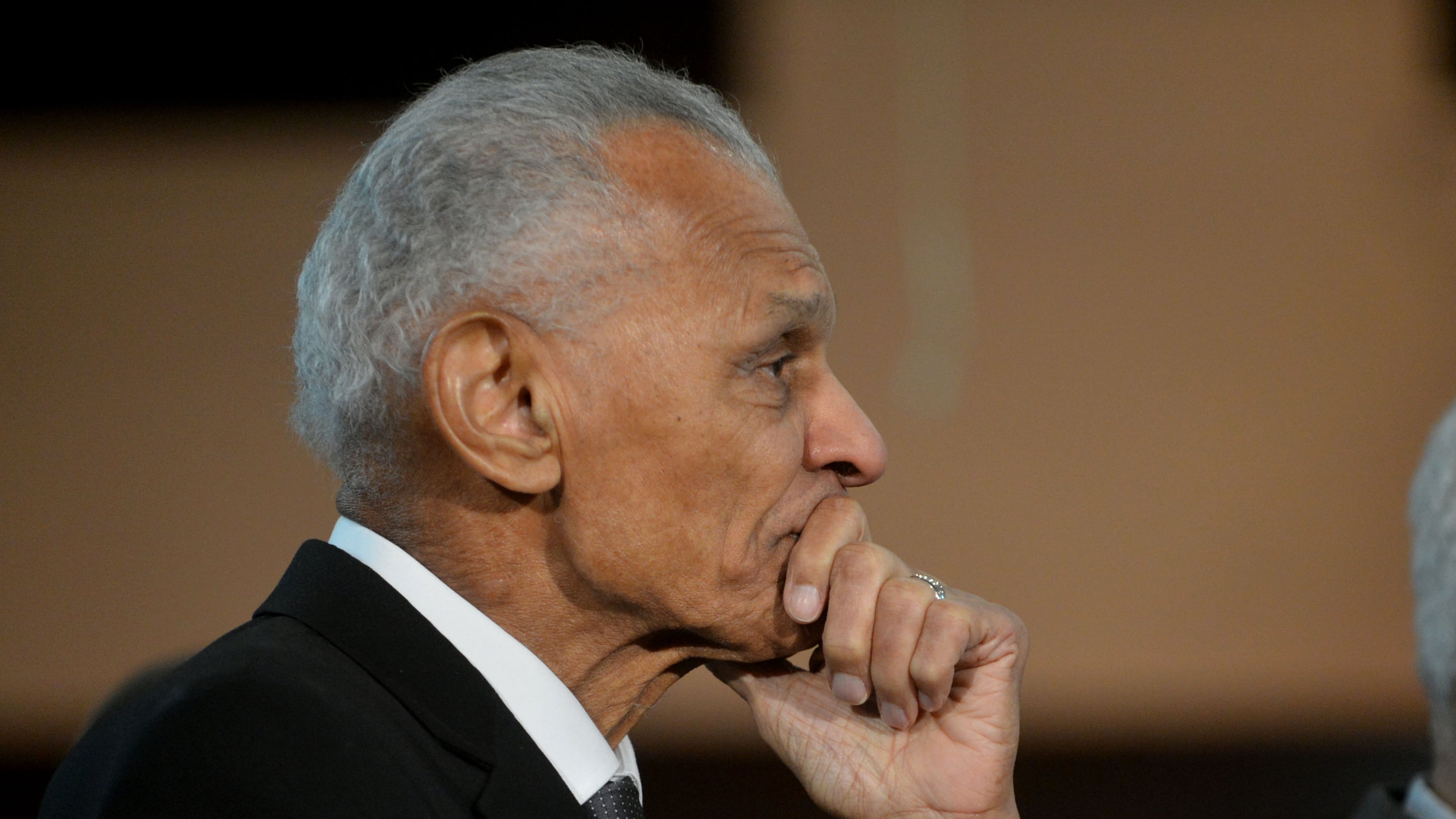
When Pearl Cleage moved to Atlanta in 1969 to work at the fledgling King Center, the city was awash in civil rights legends still trying to figure out what came next.
Coretta Scott King. Andrew Young. The Rev. Joe Lowery. John Lewis. And C.T. Vivian.
Cleage became one of her generation’s most acclaimed playwrights, while Vivian built a legacy that blended activism, scholarship and a deep belief in the power of books.
Six years after his death, their paths converge again.
On Thursday at Zoo Atlanta, Cleage will be one of writers honored by the C.T. Vivian Foundation at the Kaleidoscope Awards for Literary Excellence, a celebration of writers of the Black experience and a fundraiser to preserve Vivian’s book collection and build a museum in his name.
“He was a friend and I admired him so much,” Cleage said of Vivian. “His courage in the movement, walking into the most dangerous situations where it was life-and-death. And to be so composed, so certain he was doing the right thing.”
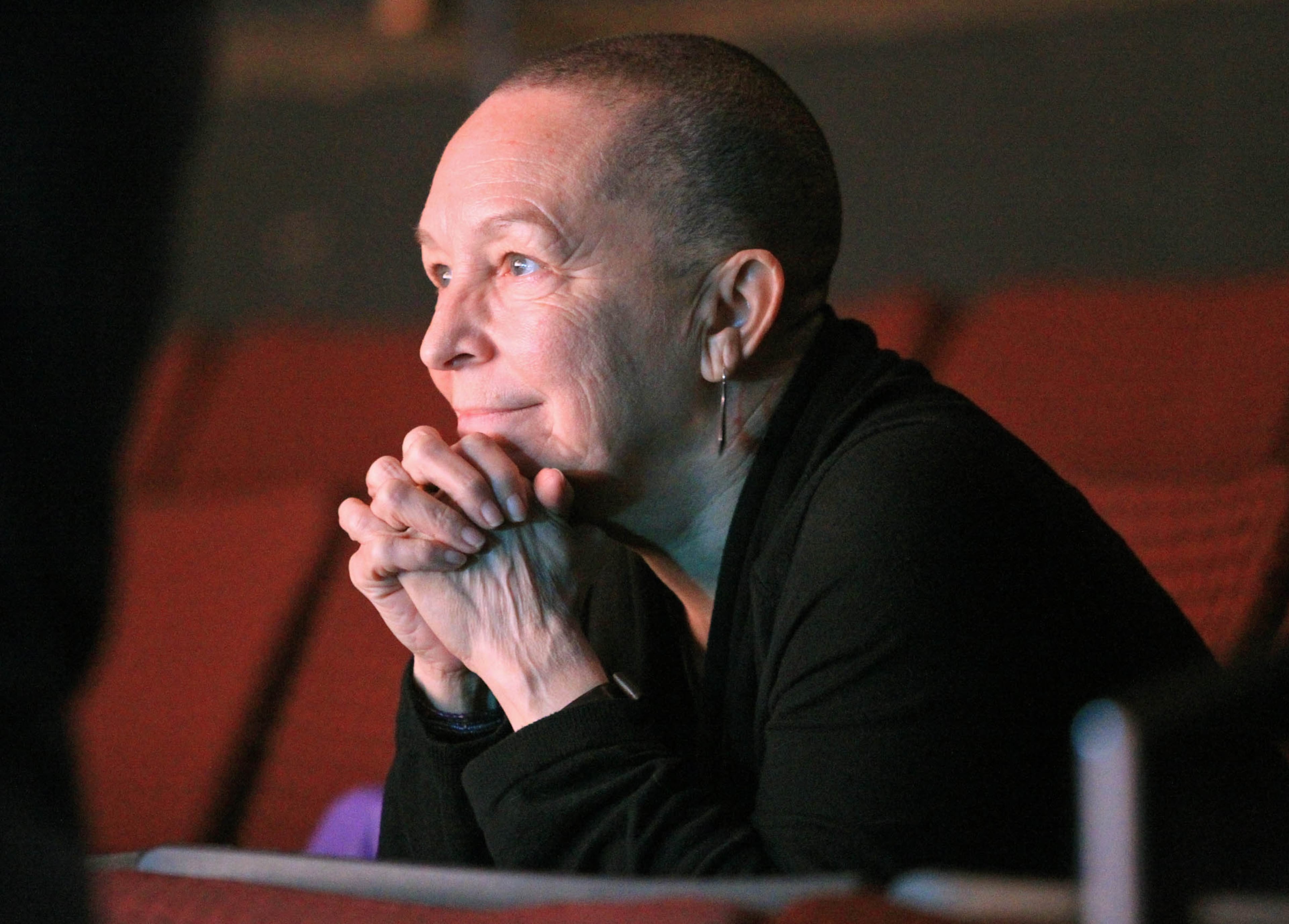
Cleage, who said she would often bump into Vivian around Southwest Atlanta, said of the award: “Means a lot to me because of my admiration for him. He was such an inspiration. I’m glad the foundation is keeping his name and his work alive.”
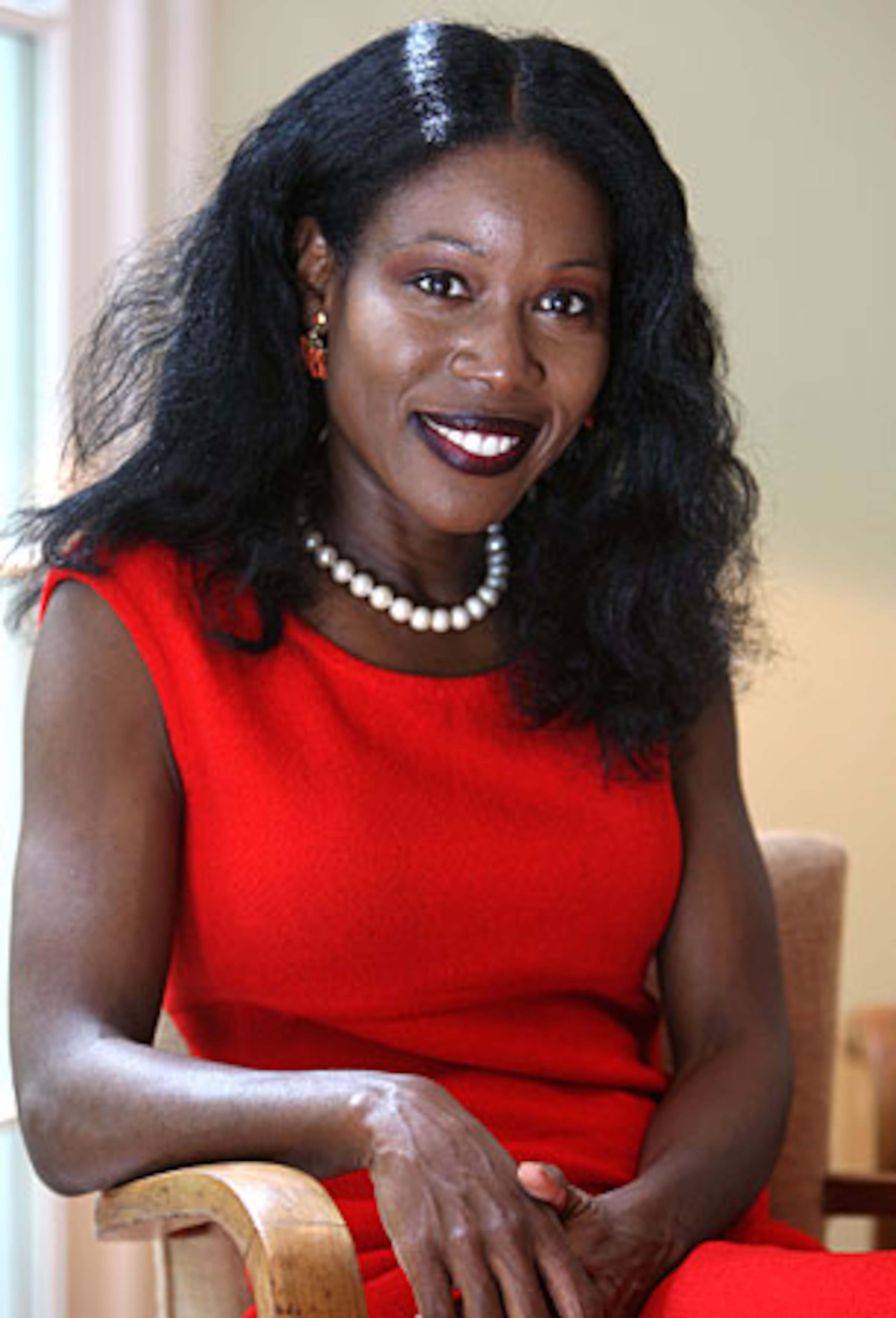
Cleage, the distinguished artist in residence at the Alliance Theatre, is one of three honorees this year, alongside Pulitzer Prize-winning journalists and authors Trymaine Lee and Isabel Wilkerson — who, like Vivian, have used language to elevate the Black experience.
Khari Arnold, who in 2024 founded the Library Dads to encourage and invite fathers to read to their children, will receive the C.T. Vivian Social Justice Award.

Now in its fifth year, previous honorees have included Tayari Jones, whose new novel, “Kin,” was an instant New York Times bestseller and an Oprah’s Book Club selection; journalist Charles Blow; Pulitzer Prize winners Taylor Branch and Hank Klibanoff; and former U.S. poet laureate Natasha Trethewey.
Jo Vivian, executive director of the C.T. Vivian Foundation, said this year’s honorees “add worth to us as a people.”
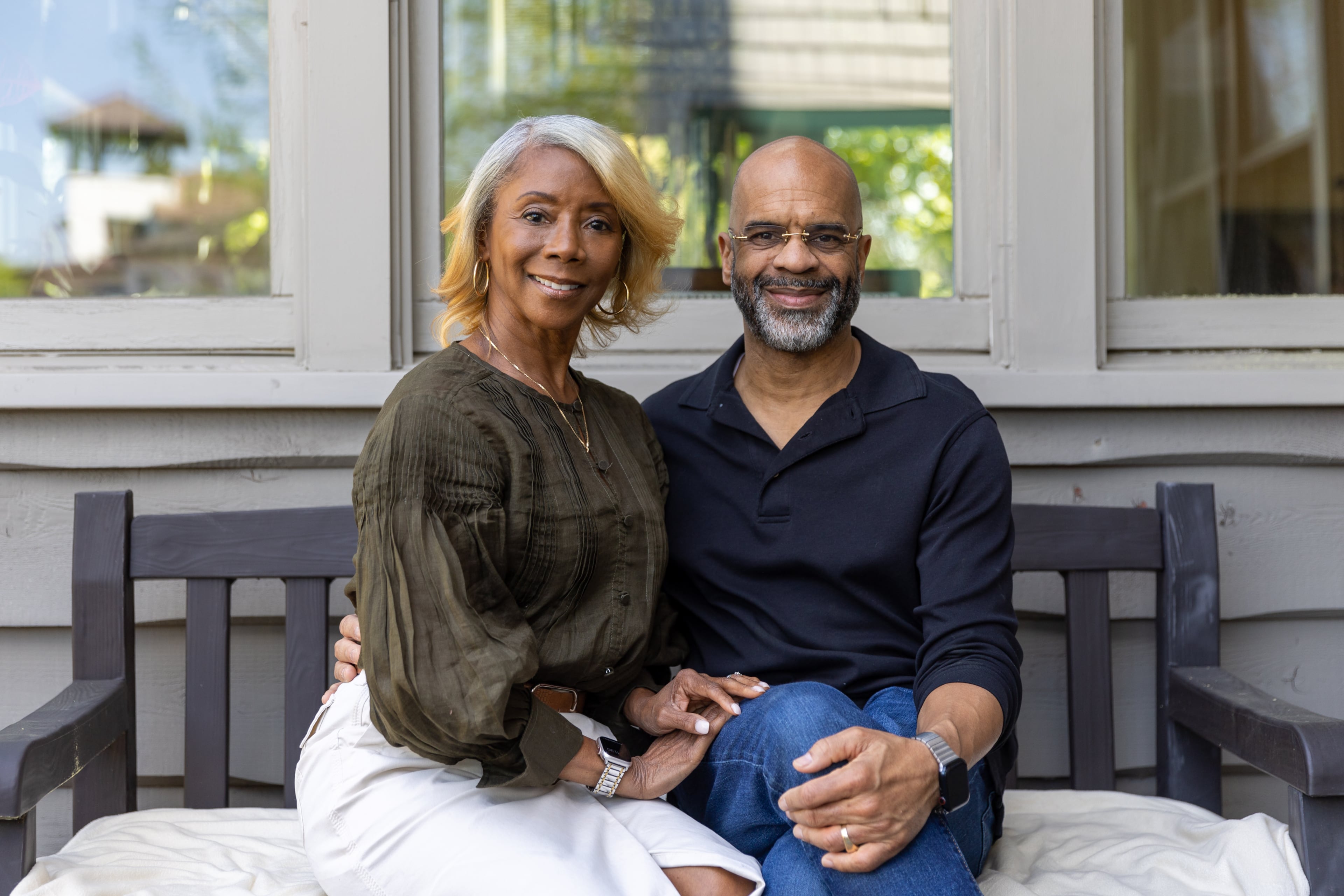
“C.T. understood that America would not be what it was without African Americans,” said Jo Vivian, who is married to Vivian’s son, Al Vivian. “The only way we could make those contributions was to first be seen as human. All three of our honorees join C.T. in that work.”
Lee is a Pulitzer Prize-winning journalist who was honored in 2006 for his coverage of Hurricane Katrina. He hosts MS NOW’s “Into America” podcast and, in 2025, published his first book, “A Thousand Ways to Die,” an exploration of violence and its impact on Black life in America.

Wilkerson is an acclaimed author whose books, including “The Warmth of Other Suns” and “Caste,” explore the deep roots of inequality in America. In 1994, she became the first Black woman to win a Pulitzer Prize in journalism for her coverage of the 1993 Midwest floods.
Vivian’s story, as many of his did, begins with a book.
He was about 5, sitting on the floor of his grandmother’s home in Macomb, Illinois, paging through a makeshift library when he came across a volume that would change his life.
“Men of Mark: Eminent, Progressive and Rising,” an 1887 collection of biographies of Black men, made a big impression on him and showed Vivian something rare for its time: a portrait of achievement and possibility.

Over time, Vivian became one of the Civil Rights Movement’s most resolute voices — confronting injustice from Nashville, Tennessee, to Selma, Alabama, where he was beaten on camera.
By the time Vivian died in 2020, he and his wife, Octavia, had amassed a personal library of more than 6,000 volumes — many of them by Black authors — filling their Atlanta home with the kind of stories he once had to search to find.
“It’s not just our history — it’s American history,” Jo Vivian said. “And we feel it’s our responsibility to preserve it, to tell it and to pass it on to the next generation.”
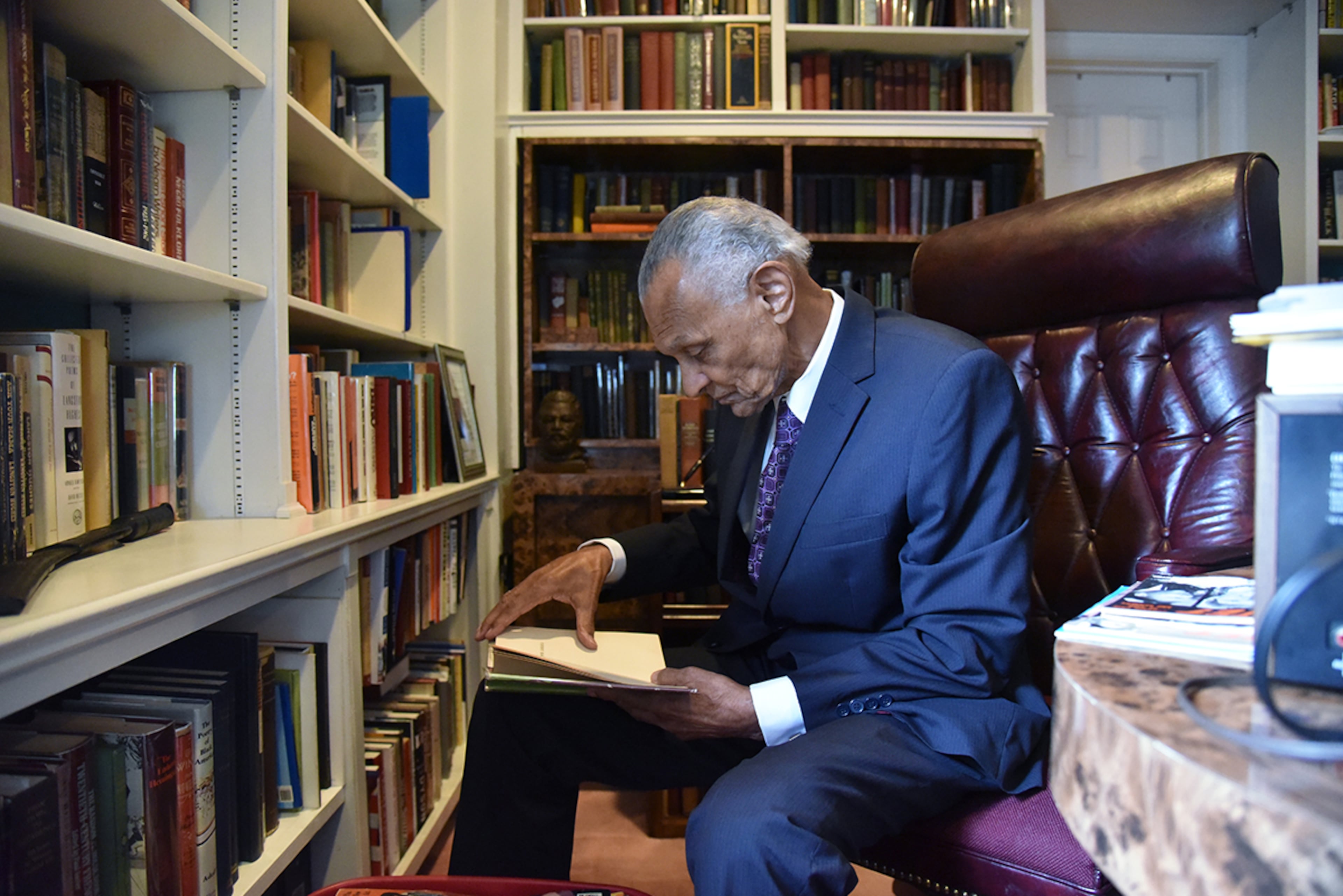
Cleage’s path was shaped by many of the same forces that shaped Vivian’s. She grew up in Detroit in a household rooted in the Black Freedom Struggle and later came of age as a writer during the Black Arts Movement.
That foundation followed her to Atlanta, where she attended Spelman College and later found herself surrounded by veterans of the Student Nonviolent Coordinating Committee and the Southern Christian Leadership Conference.
“My work has always been tied to community,” she said. “I want people to say, ‘That sounds just like my aunt, my sister, my brother. I want people to see themselves.”
Cleage’s writing life has long been intertwined with the city. She began her career in Atlanta as a speechwriter for Mayor Maynard Jackson, writing on nights and weekends on work that would grow into novels, plays, essays and poetry.
Cleage first gained national attention in 1997 when Oprah Winfrey selected her debut novel, “What Looks Like Crazy on an Ordinary Day,” for her book club, sending it onto The New York Times bestseller list.
Winfrey, impressed by Cleage’s voice, later invited her to serve as a poet for Winfrey’s “Legends” galas honoring influential Black women.
In 2021, Mayor Keisha Lance Bottoms named Cleage Atlanta’s first poet laureate. In 2023, Cleage revisited Atlanta’s political history with “Something Moving: A Meditation on Maynard.”
Her newest play, “Flying Fish and Folding Money,” is scheduled to premiere at the Alliance Theatre in the 2027–28 season.
“Sometimes artists get too far removed from the communities they write about,” Cleage said. “That’s why this award is so meaningful. It’s grounded in the tradition I embrace. It’s named after somebody who embodied that tradition.”
IF YOU GO
Kaleidoscope Awards
Thursday, April 16, at Zoo Atlanta, 800 Cherokee Ave. SE, Atlanta. Crystal Edmonson will emcee, with music by Ernest “EQ” Quarles and Mike Tarpley. This year’s theme is “Where Resistance Meets the Pen.” Tickets available at givebutter.com/c/kale2026
About the Author
Ernie Suggs is an enterprise reporter covering race and culture for the AJC since 1997. A 1990 graduate of N.C. Central University and a 2009 Harvard University Nieman Fellow, he is also the former vice president of the National Association of Black Journalists. His obsession with Prince, Spike Lee movies, Hamilton and the New York Yankees is odd.